Delivering 5 Public Artworks for the Shanghai Science and Technology Museum
When you think about public art in museums, you often think of individual artworks. A sculpture in the lobby, an installation in a plaza, or a landmark piece that becomes synonymous with the institution itself.
But increasingly, museums are thinking differently.
As cultural institutions evolve, public art is no longer treated as a singular destination piece. Instead, it is becoming part of a broader visitor experience. It is helping shape how people move through the museum space, engage with ideas, and connect with the institution before they even enter an exhibition.
Our involvement at the Shanghai Science and Technology Museum is a clear example of this. Our team contributed to the delivery of five distinct public artworks centered around the theme of ‘Nature · Man · Technology’. The vision crafted was ‘More Cutting-Edge, Smarter, Greener and More Integrated’, which explores new paths to integrate popular art with science.
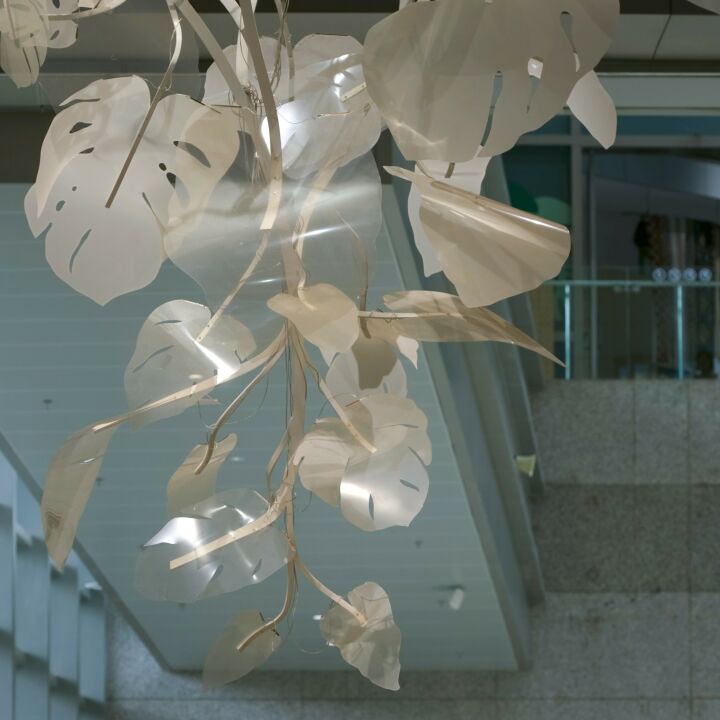
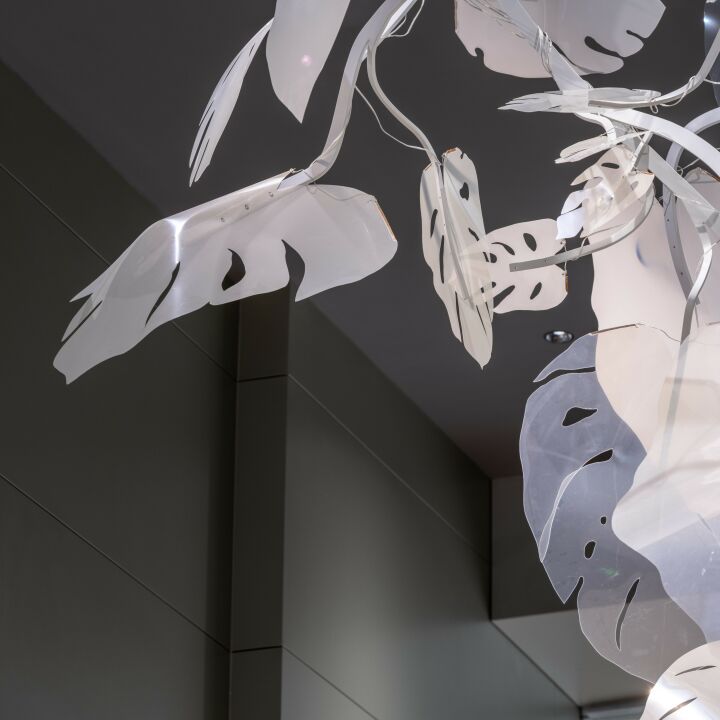
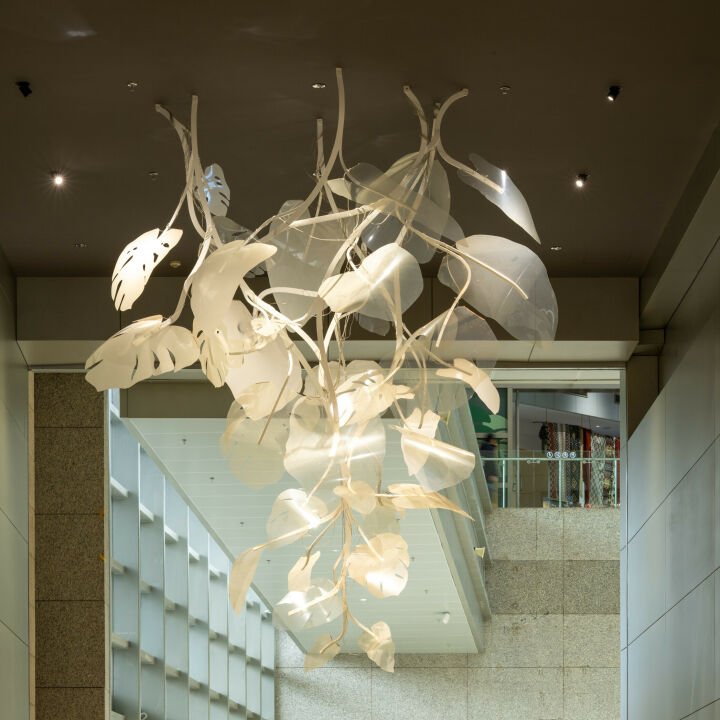
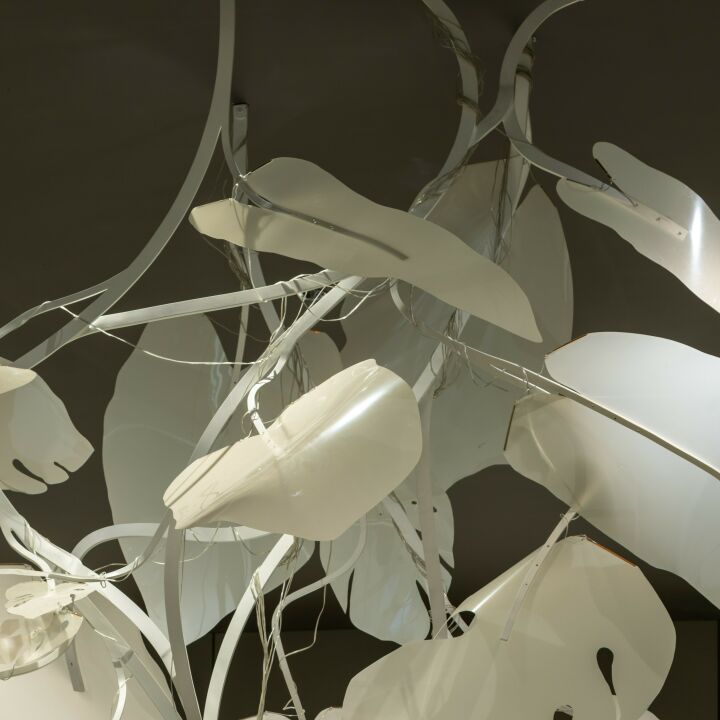
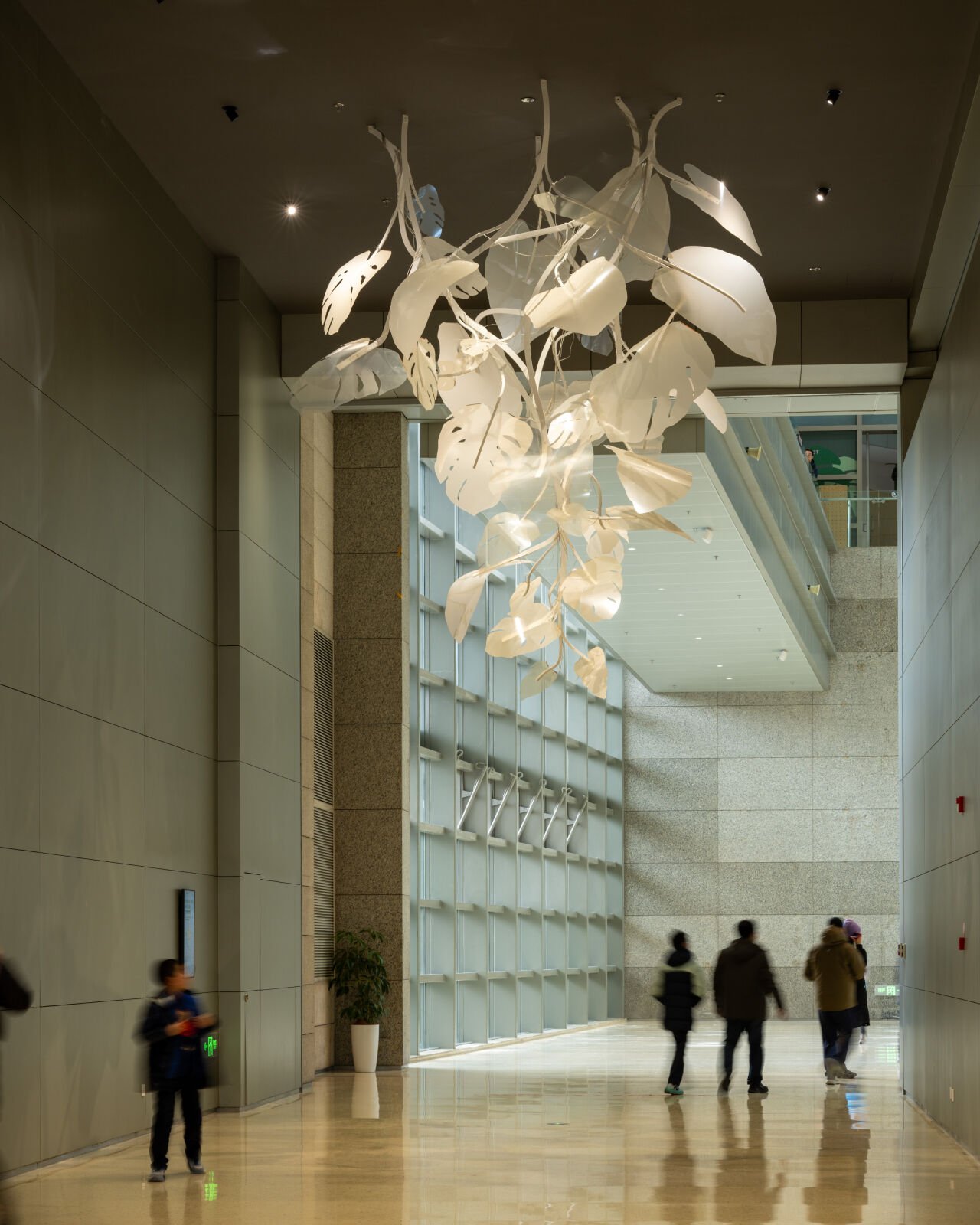
Forestate by Thjis Biersteker
Our curatorial ambition was to compose a connected narrative. Each commission reveals a different layer of our world's invisible relationships: Tom Shannon uncovers the unseen choreography of gravity, Thijs Biersteker visualises the ecological interdependence of the rainforest and humanity, Ned Kahn gives form to the vibrations that connect Earth's materials across geological systems, and Befun Digital Lab reflects the human body as an intricate network that echoes the structure of the cosmos. Together, the works invite visitors to see connection not as a metaphor, but as a fundamental condition of life.
Rachel Liu
This accomplishment could be measured in numbers: four artists, five artworks, multiple locations within the museum, years of coordination, fabrication, logistics, and installation. Yet the story does not end there.
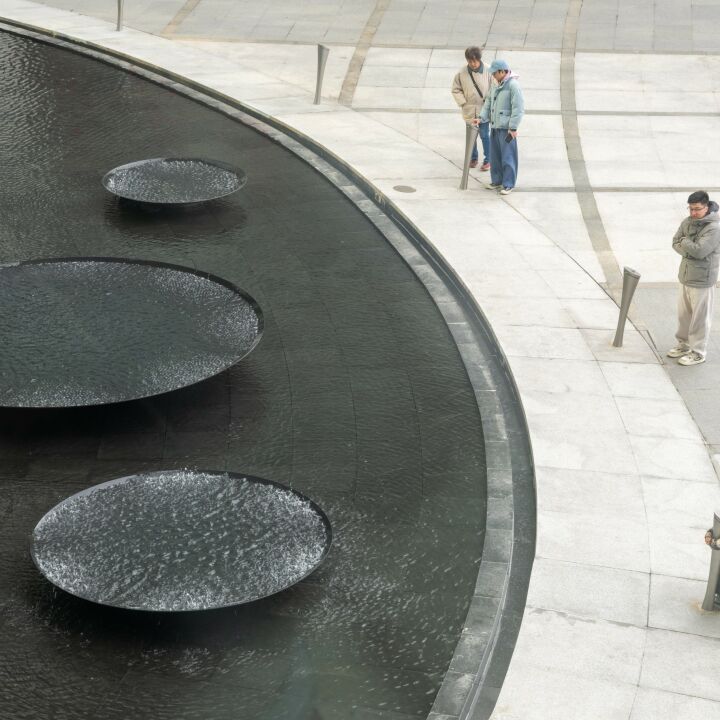
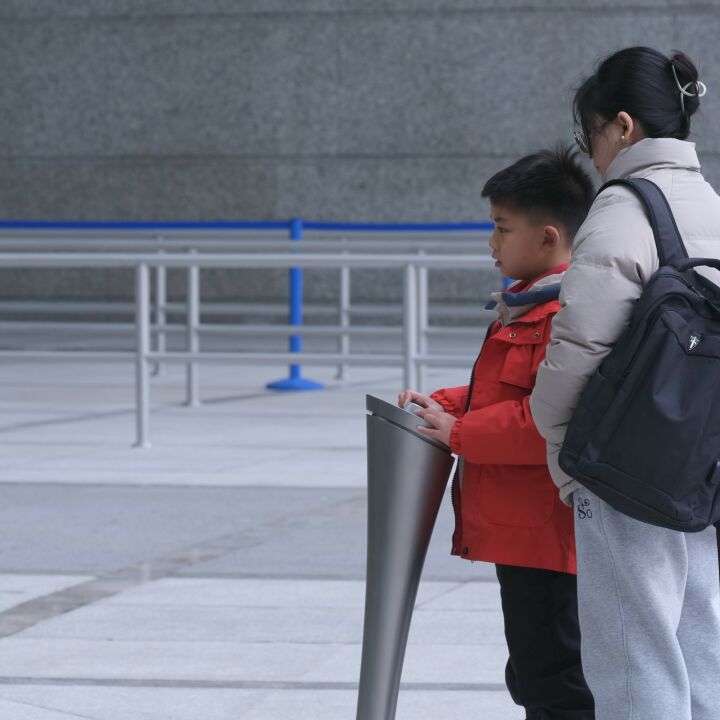
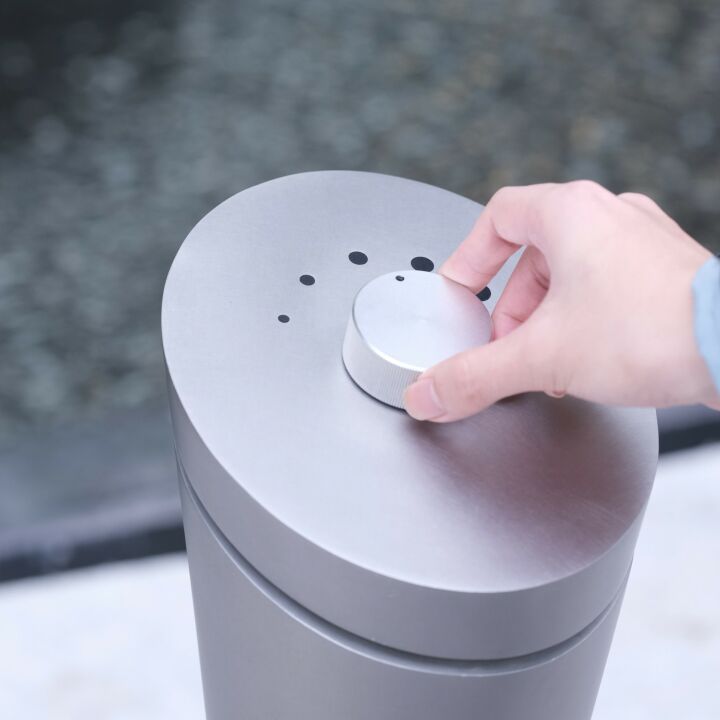
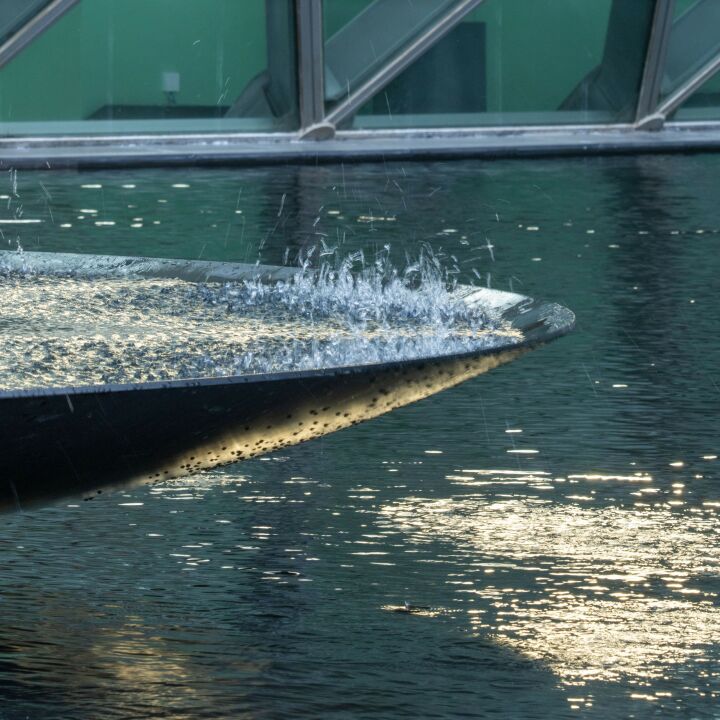
Seismic Sea by Ned Kahn
Together, the artworks contribute to something larger than any individual commission. Across five installations, the four artists explored different creative mediums and perspectives, creating a collective narrative that unfolds throughout the museum. The journey moves from natural ecosystems and the invisible forces that shape them, through human interaction and physical engagement, and ultimately towards the profound relationship between people and the world around them.
Despite their distinct artistic approaches, each work is connected by a shared idea: making the invisible visible. Gravity, airflow, sound waves, and ecological cycles are translated into tangible, interactive experiences, allowing visitors to intuitively engage with the hidden systems that connect our world.
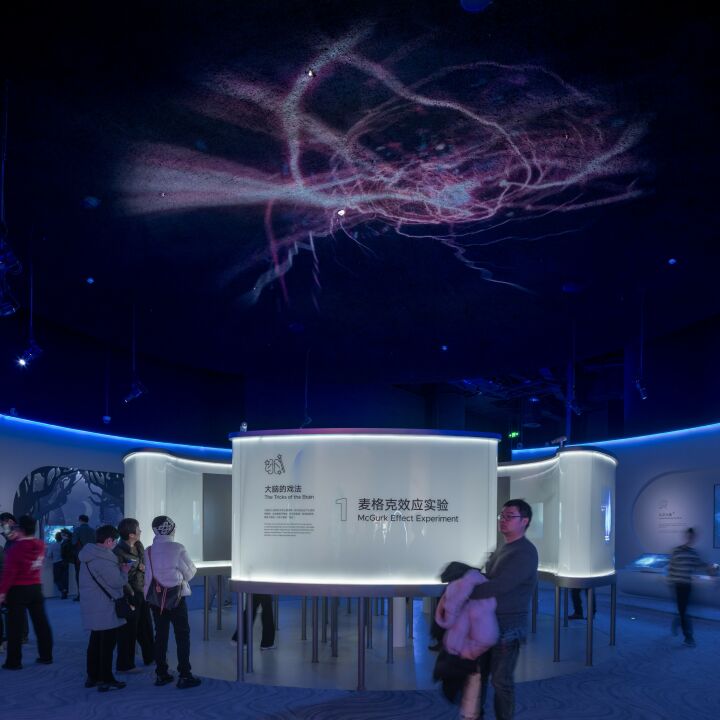
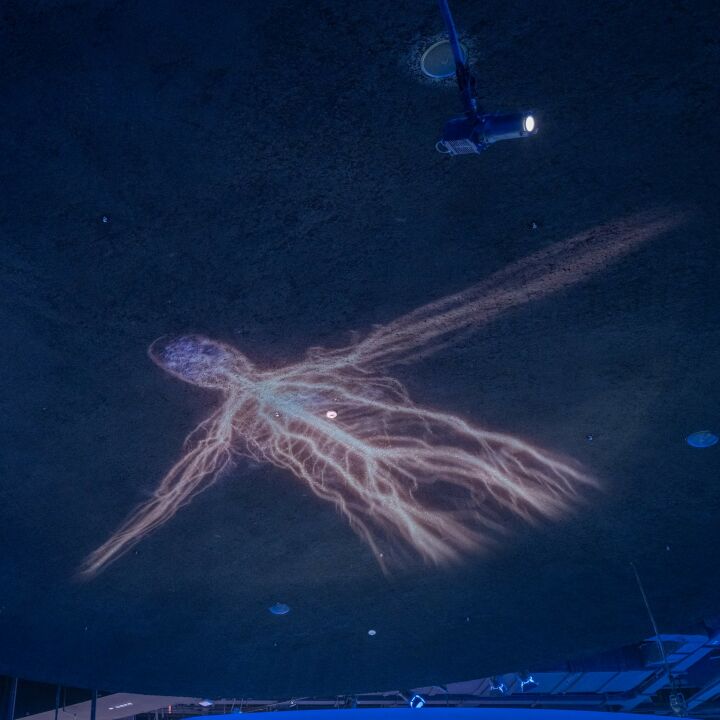
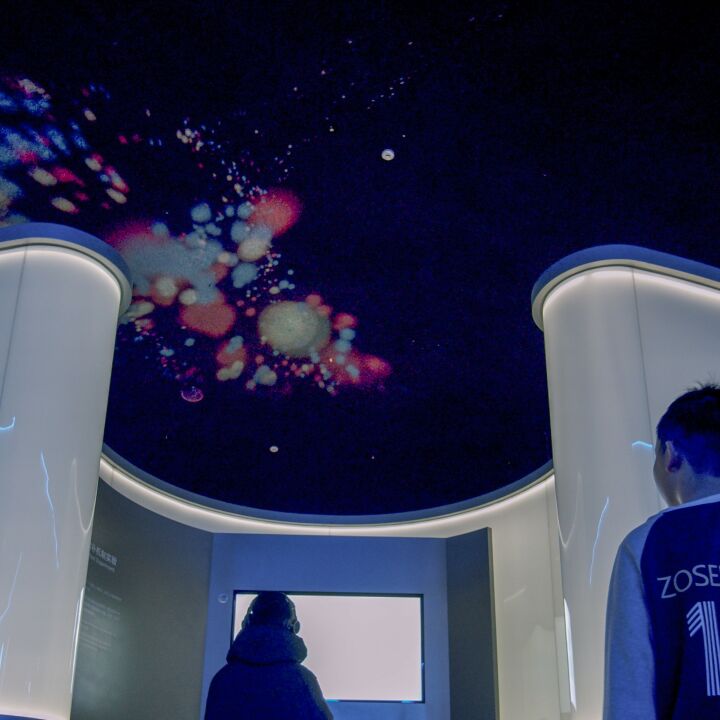
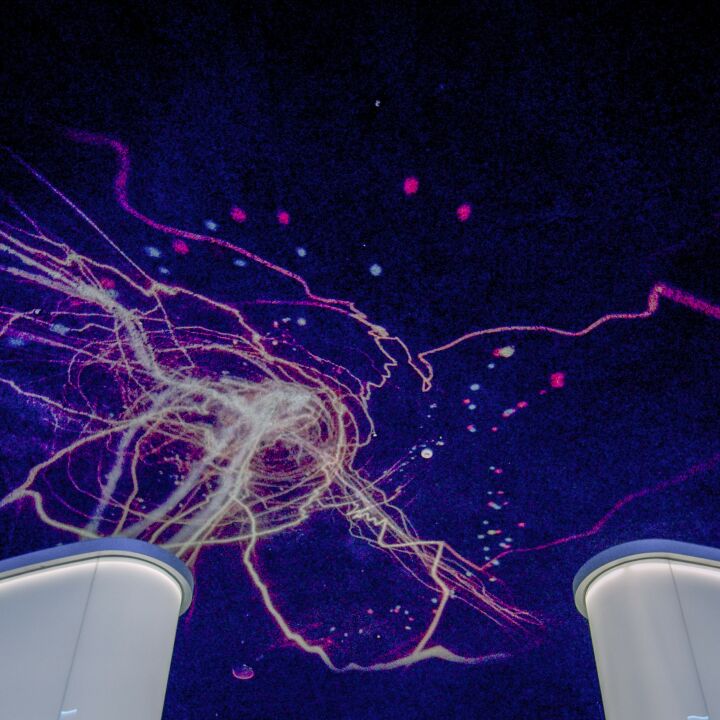
Body Cosmos by Befun Digital Lab
Each artwork stands on its own while contributing to a broader story. Together, they create a cohesive experience that brings the exhibition's central theme 'All Things Are Connected' to life. In doing so, the program also reflects the Shanghai Science and Technology Museum's mission of making science accessible, engaging, and inspiring through immersive experiences.
Delivering five artworks within a single institution also presents a unique challenge. Success is no longer defined by the quality of an individual piece alone. Instead, attention shifts toward how multiple artworks coexist, how they contribute to the wider visitor experience, and how artists, designers, consultants, fabricators, and stakeholders work together to deliver a shared vision.
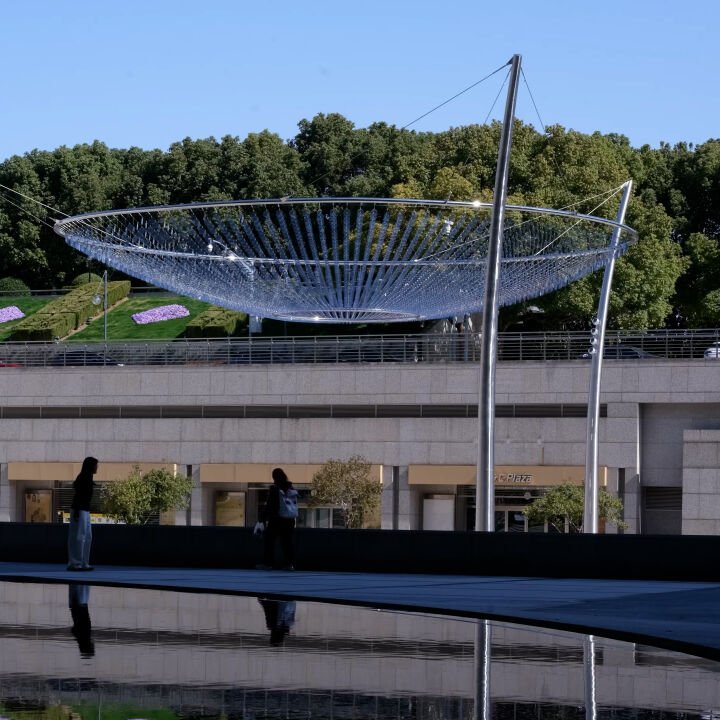
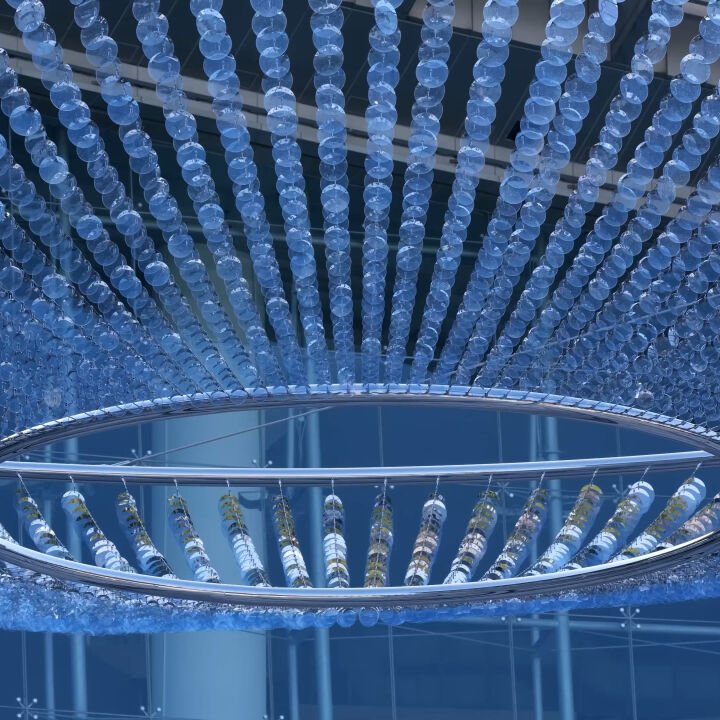
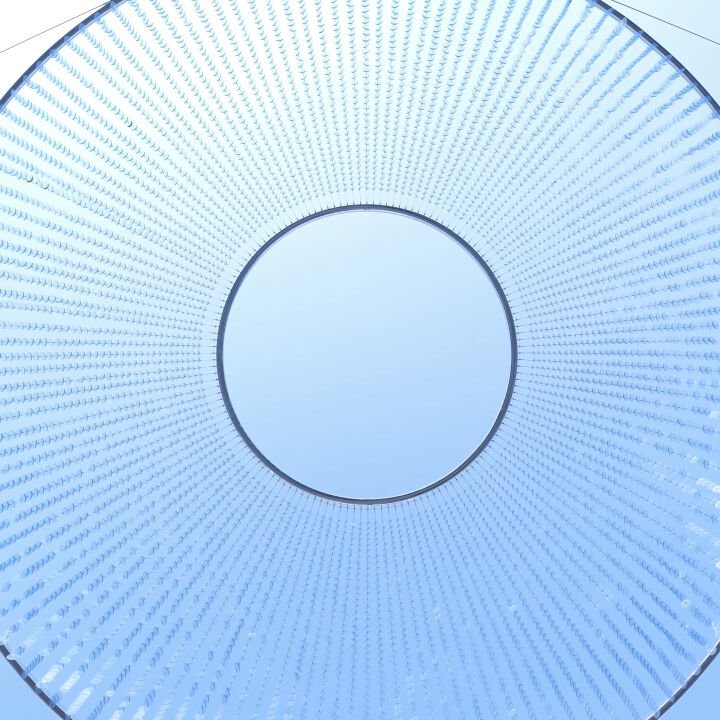
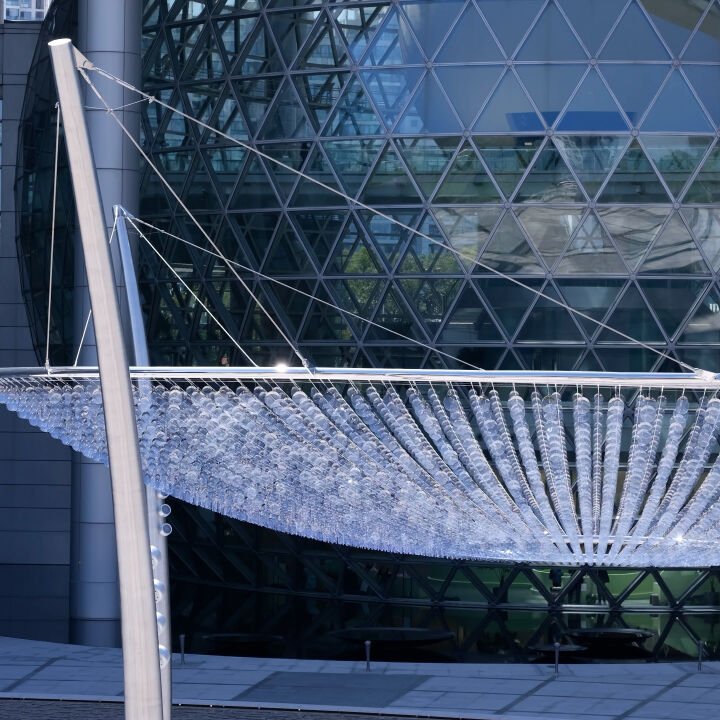
Ripples by Ned Kahn
From the precise structural connections of 'Dancer', the light and shadow on unique materials in 'Forestate', the multi-structural assembly of 'Ripples', and the human-computer interaction of 'Seismic Sea', to the lighting calibrations of 'Body Cosmos', every fabrication process prioritised preserving the original interactive logic to uphold the artists' core design intent of "connectedness." Each piece underwent multiple rounds of prototype simulation and final adjustments to stably deliver dynamic movement, light effects, and sensory responses, fully restoring the original creative vision of all things connected in symbiotic harmony.
Qidong Workshop
For projects of this scale, coordination becomes as important as craftsmanship. Every artwork has its own requirements, timeline, and creative ambitions, yet all must ultimately contribute to a coherent institutional experience.
At UAP, this type of work reflects a broader evolution in how public art is delivered. Increasingly, our role extends beyond fabrication into collaboration, strategic planning, and helping cultural institutions realise ambitious long-term visions.
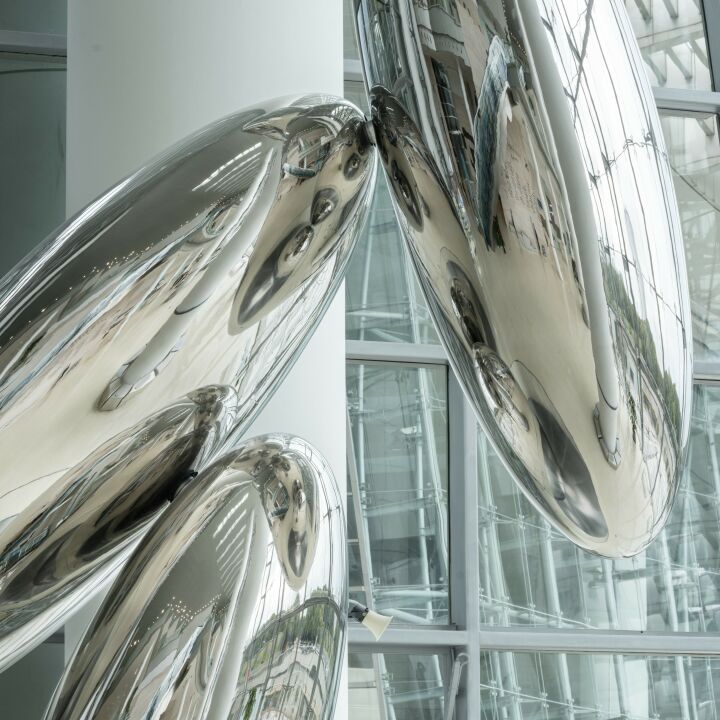
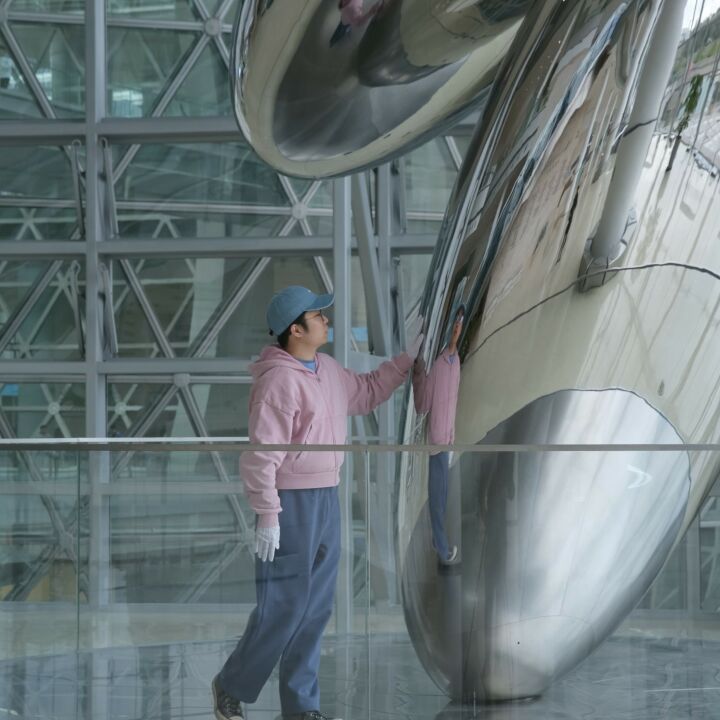
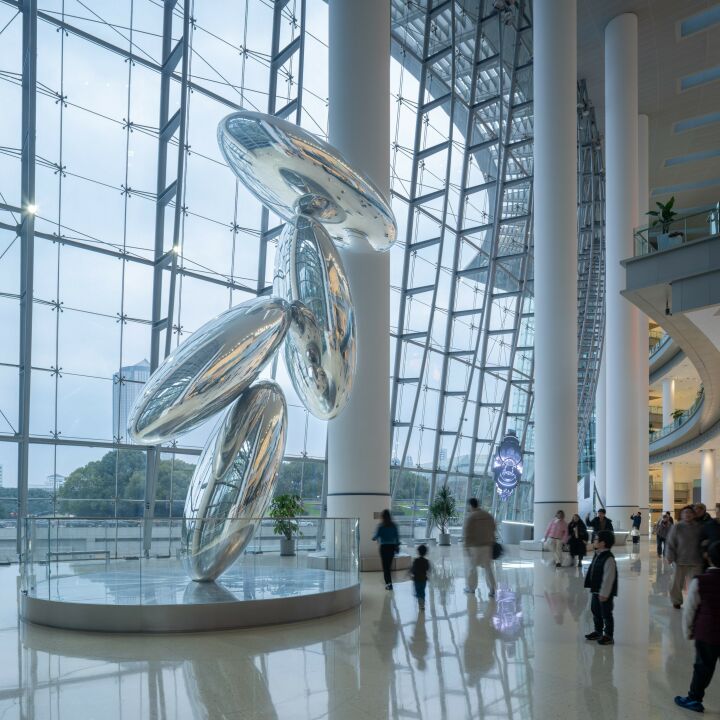
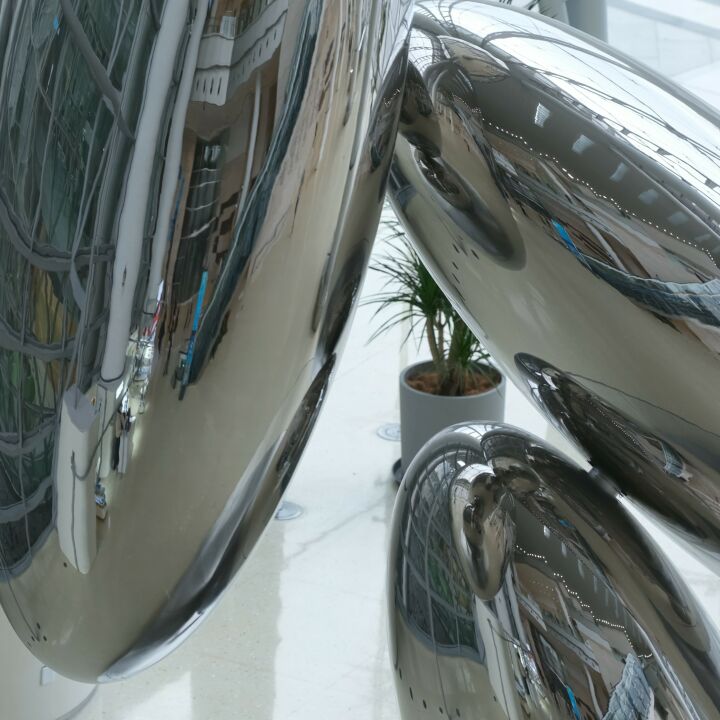
Dancer by Tom Shannon
The Shanghai Science and Technology Museum demonstrates what is possible when public art is considered not as a final addition to a project, but as an integral part of the visitor experience from the beginning.
The result is more than five artworks. It is a cultural environment where art, science, learning, and public space work together to shape how people experience the space.
Credits:
Binkai Hong- Associate
Rachel Liu- Strategist
Quidong Workshop
#相关文章
Exploring Creative Journeys: Tim Georgeson's Artist Residency
Q&A With Tim Georgeson
By: Tess Bakharia
In The Studio: Curating Public Art
The team of curators based throughout the US, Australia, and China specialize in public art curation, including the development of master plans, public art strategies and temporary programs, as well as the selection, briefing and engagement of artists across a variety of projects.
Melbourne’s Public Art: Driving Cultural and Economic Value
The Urban Developer Article Feature
By Anna Brash, Associate, UAP