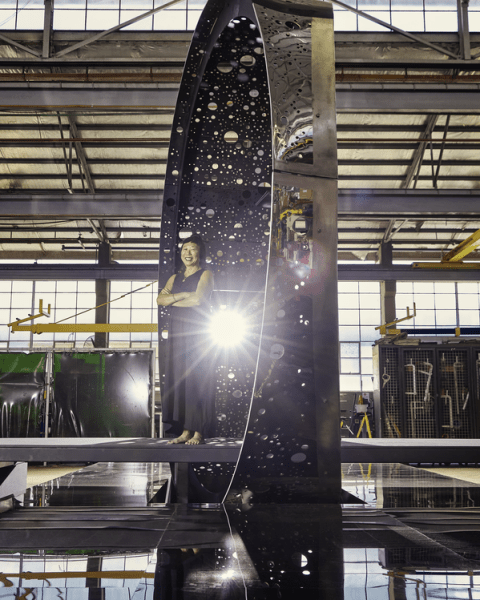
Exploring Creative Journeys: Tim Georgeson's Artist Residency
Q&A With Tim Georgeson
By: Tess Bakharia
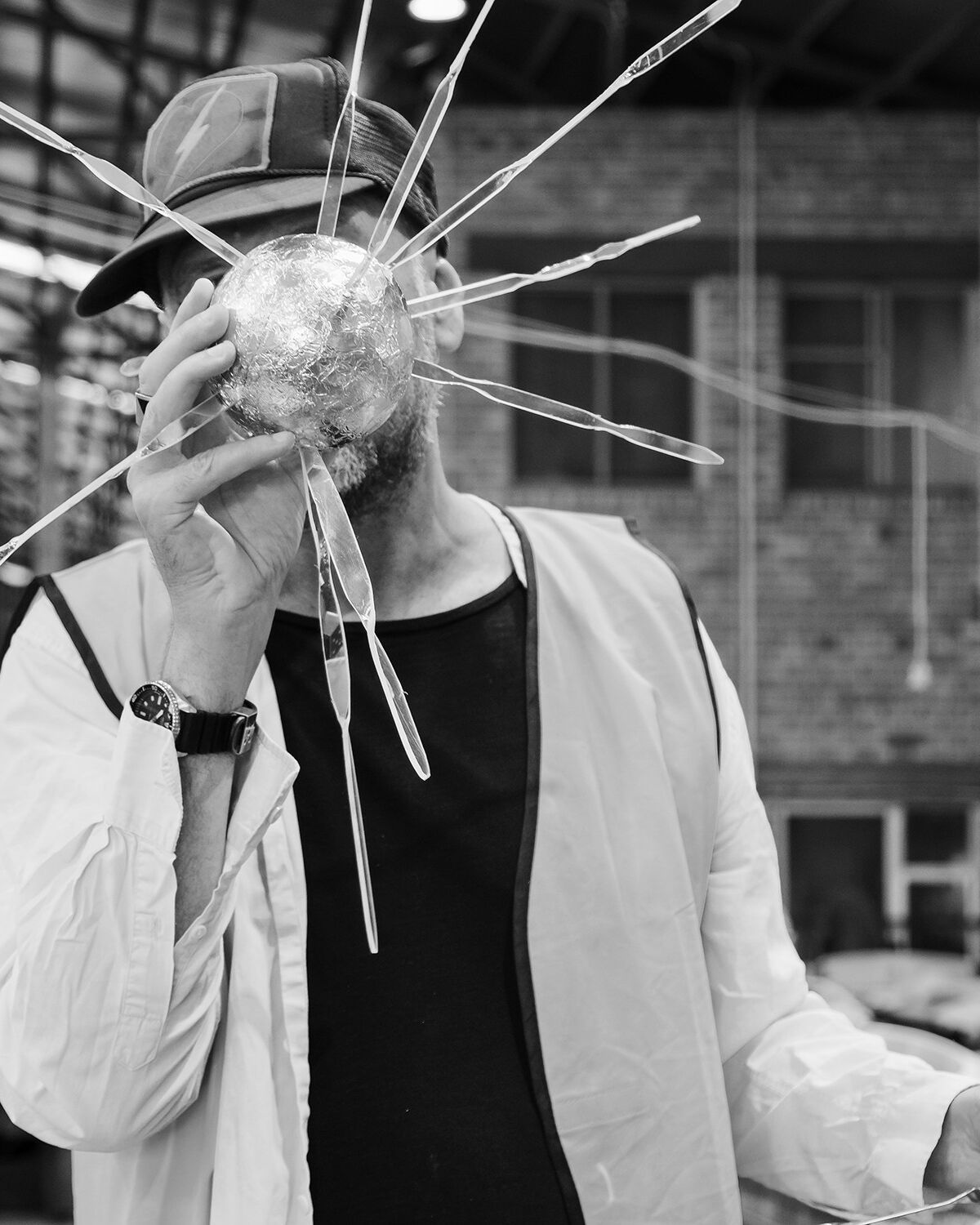
Tim Georgeson’s artistic practice is shaped by his experience as a filmmaker and photojournalist in humanitarian and environmental crisis zones, leading to collaborations with First Nations artists in Australia. His recent residency at our Brisbane foundry enabled him to explore new sculptural forms for his upcoming project, 'Astrogaze.' The hands-on collaboration expanded his creative approach and inspired new exhibition ideas, invigorating his artistry at the Olsen Gallery.
Tess Bakharia (TB): You are a filmmaker by trade and practised for many years as a photojournalist in environmental and humanitarian crisis zones. How does this background influence your artistic practice?
Tim Georgeson (TG): My background has profoundly shaped the direction of my practice as a visual artist working across film, photography, and sound. Years of cultural engagement around the world from humanitarian and conflict zones to environmental and community-based collaborations have
given me a deep, embodied understanding of emotion, resilience, and knowledge exchange. Today, my current works are increasingly centred on close, long-term collaborations with First Nations artists in Australia, spanning music, performance, culture, and knowledge. These relationships continue to expand my perspective and ground my practice in a more connected, culturally engaged, and accountable way.
(TB): As a new-media artist, working on sculptural forms with support from UAP’s patternmaking, foundry and finishing teams was a new experience for you. What excited you about this process and what new aspects did you uncover in your practice?
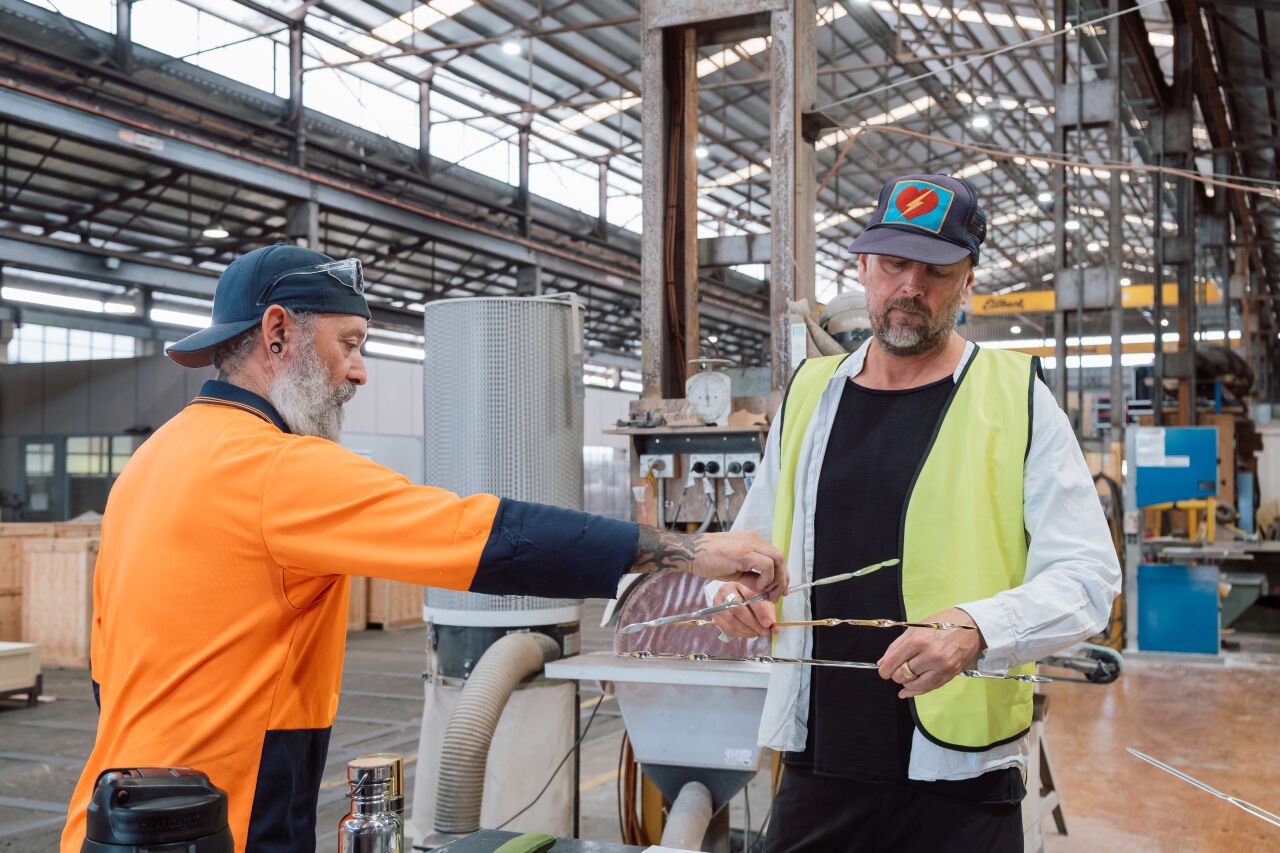
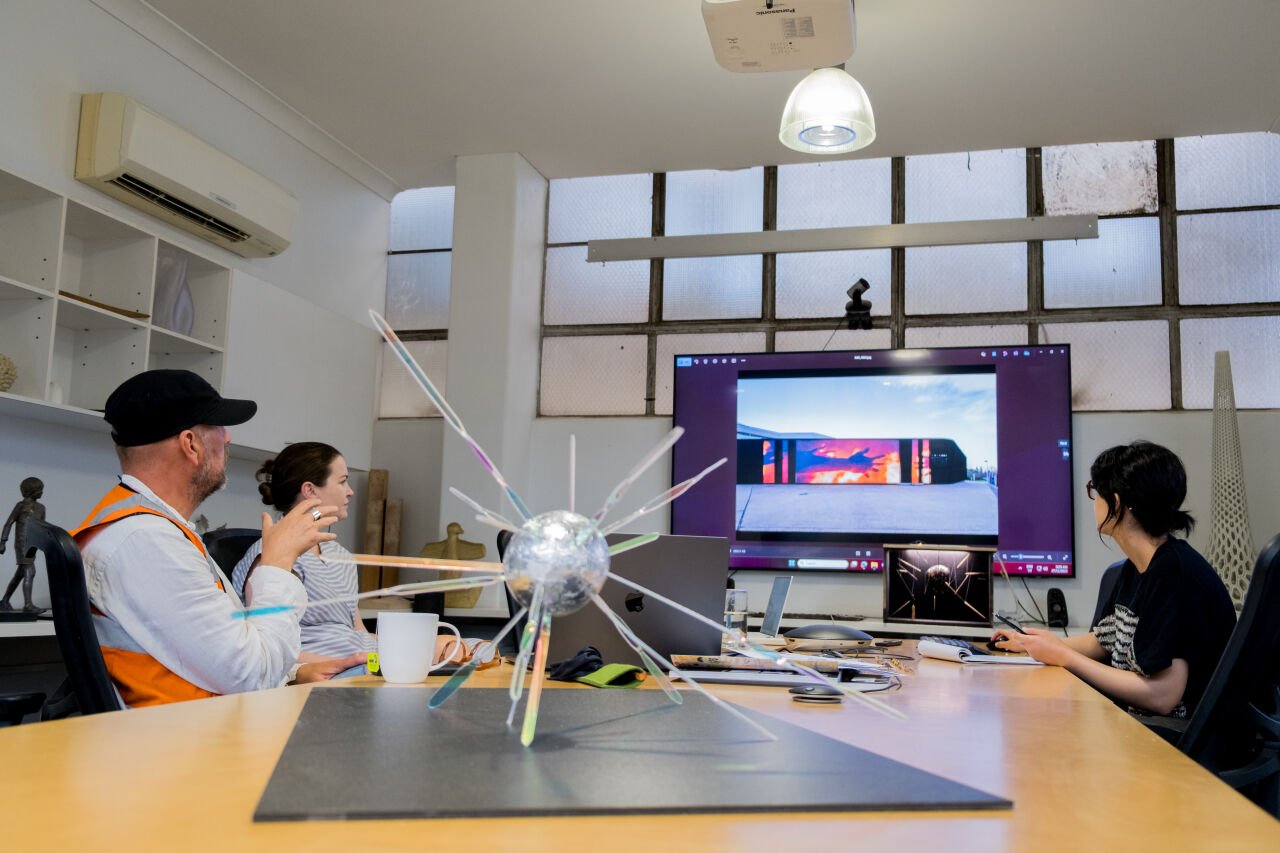
(TG): My recent residency at UAP was instrumental in expanding how I think about my visual language, particularly in relation to shape, form, and materiality. Over two weeks, I worked closely with the design team and spent time on the factory floor experimenting with a wide range of materials and fabrication processes. This collaborative, hands-on environment opened up new ways of thinking and making, especially in relation to my current project ASTROGAZE, which explores the Cosmos of Lutruwita / Tasmania. The residency sparked a new level of excitement about the possibilities ahead—seeing ideas move from concept into sculptural form revealed powerful new pathways for my practice and has reshaped how I imagine this project evolving in the public realm.
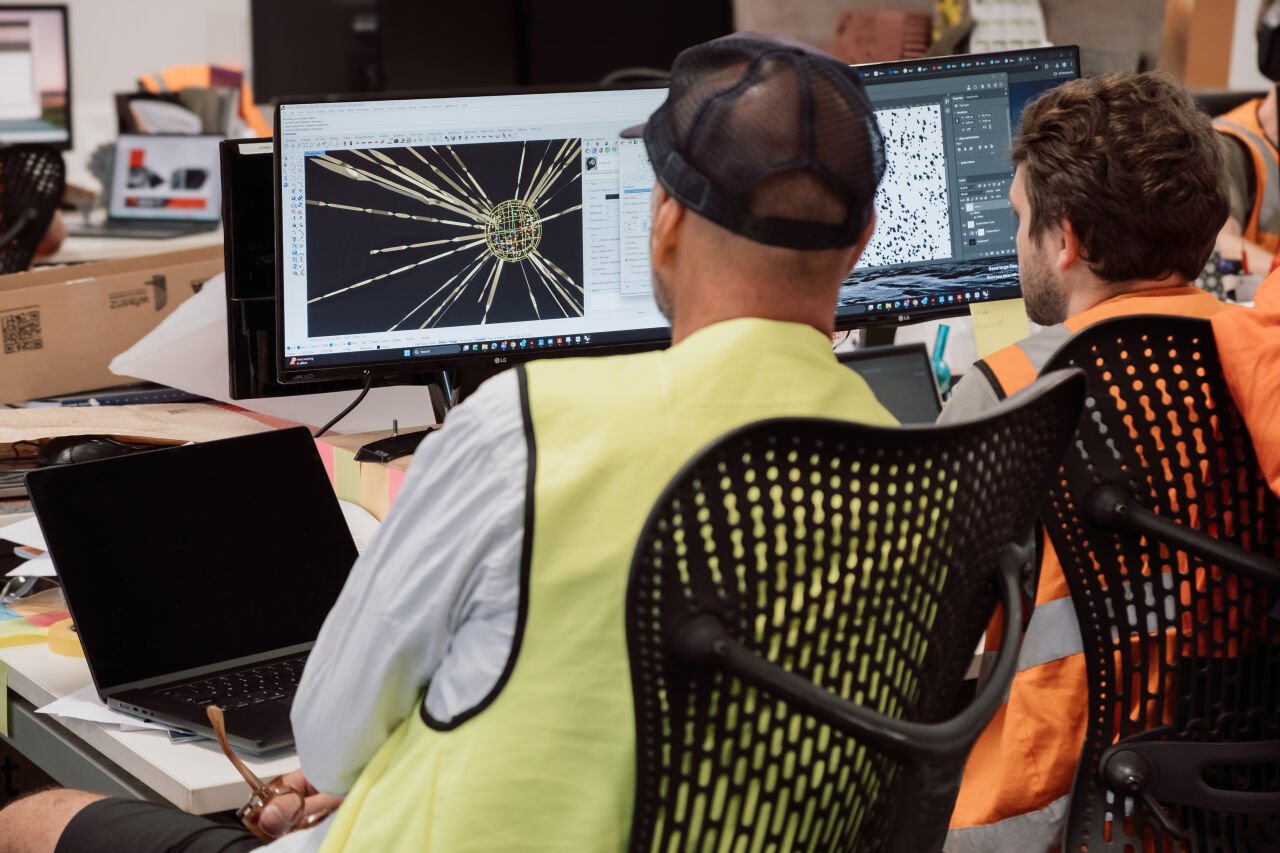
(TB): Your artist residency was framed around a significant project you’re currently undertaking titled Astrogaze, opening in Lutruwita/Tasmania in March 2027. How did this project inform your artist residency?
(TG): It highlighted how I can translate a photograph, a fragment of moving image, or a sonic element from my current collaboration with the Tasmanian Symphony Orchestra into physical form. The limitless depth and energy of this “symphony of the cosmos” opened up an entirely new field of possibilities. During the residency, that cosmic resonance sparked a series of experiments material, spatial, and conceptual that expanded how I envision this work evolving beyond the screen and into sculptural expression.
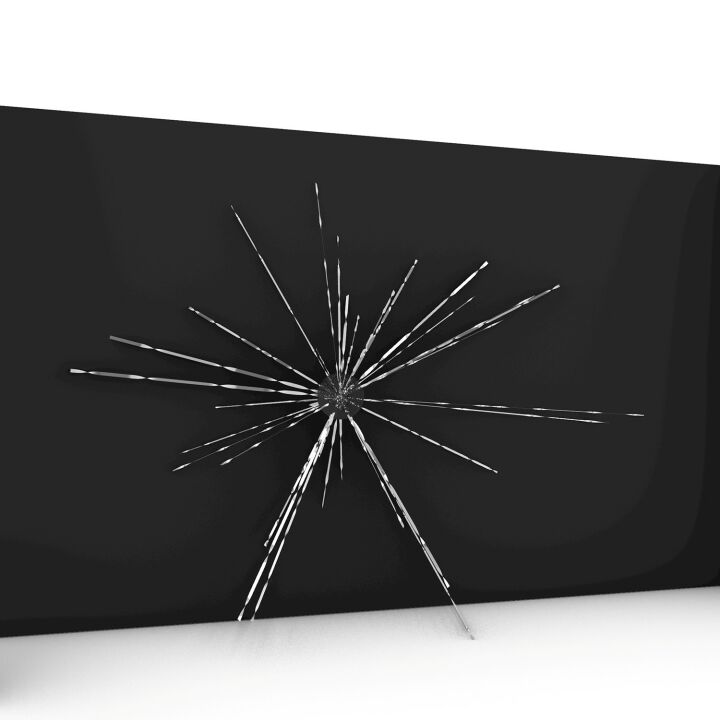
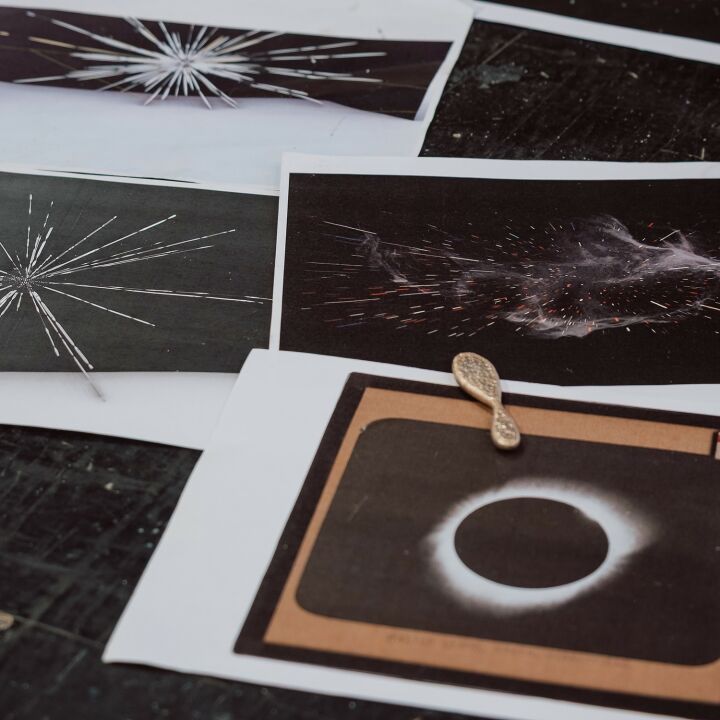
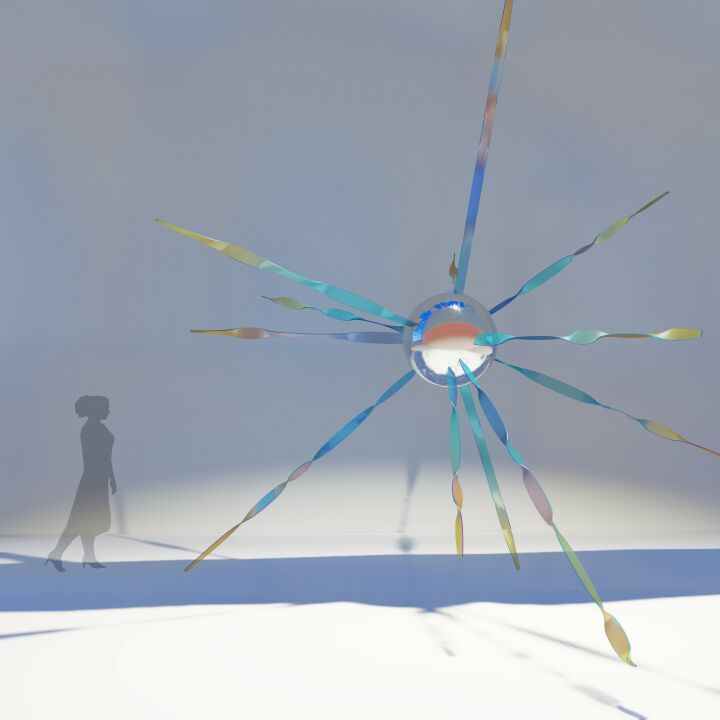
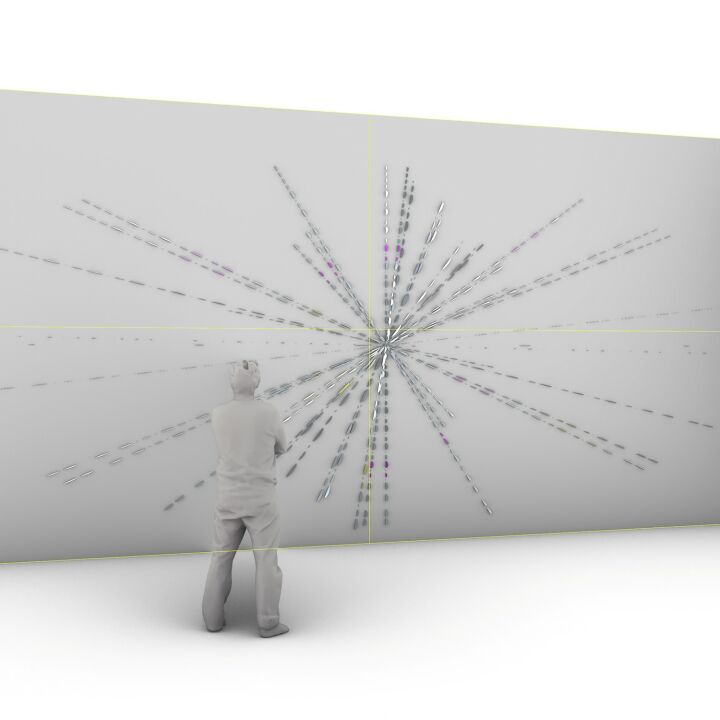
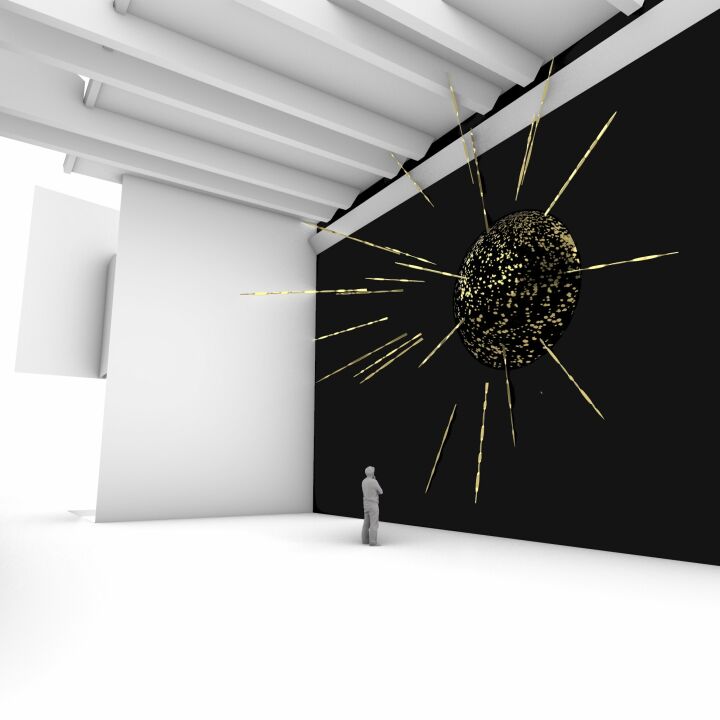
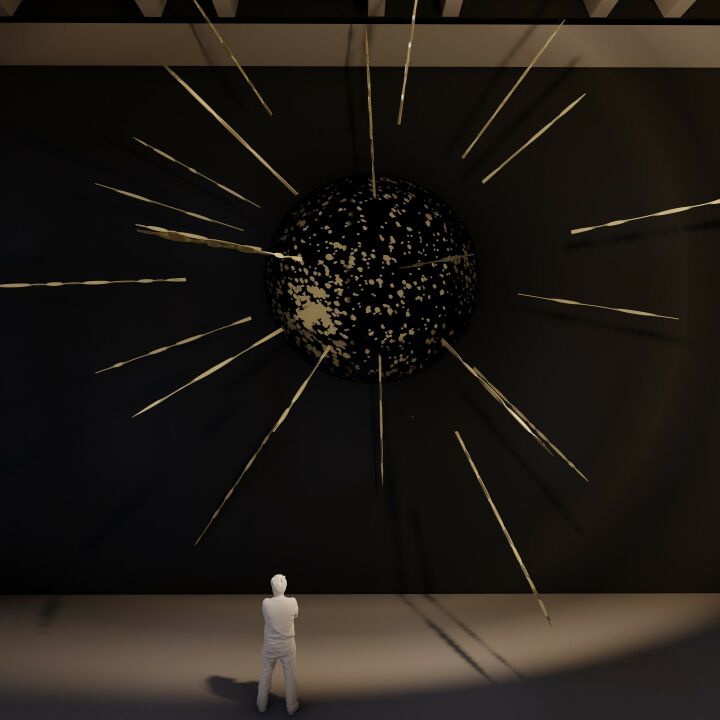
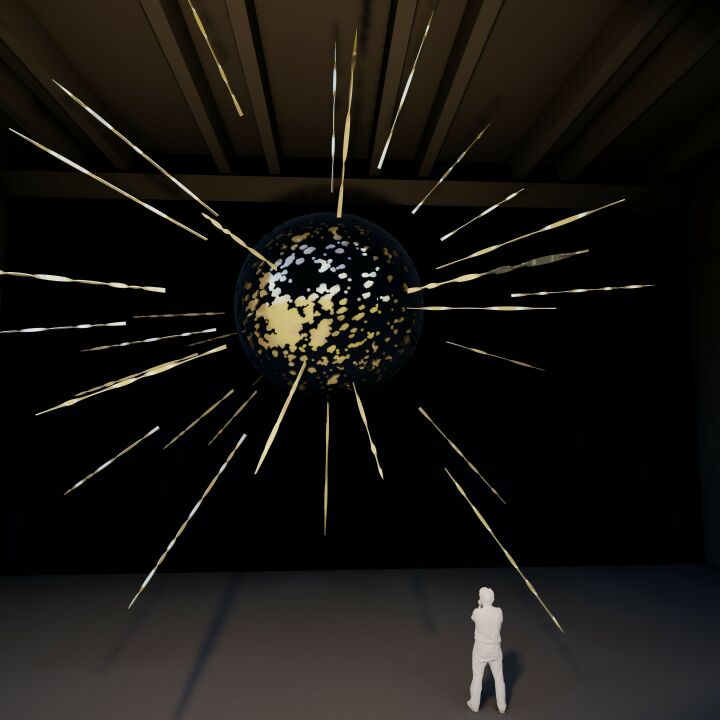
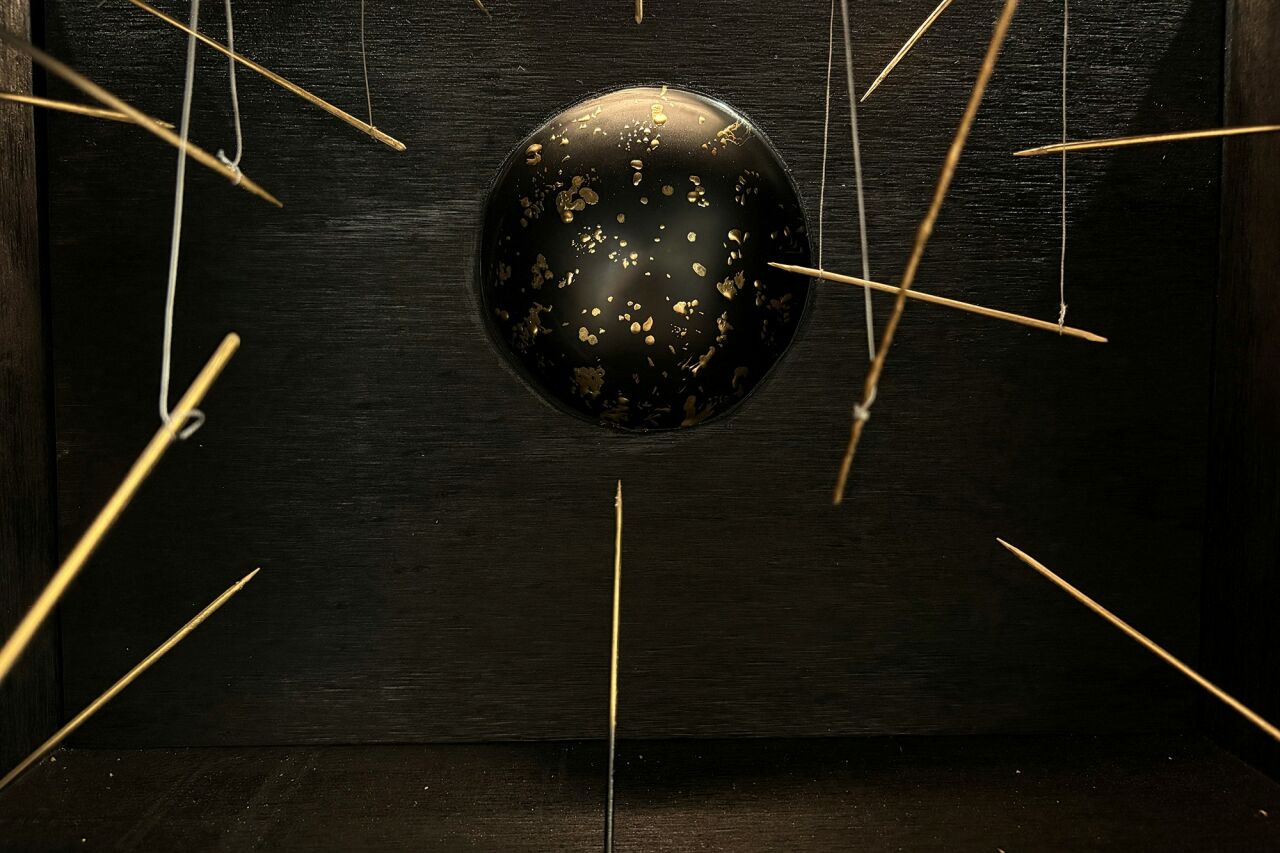
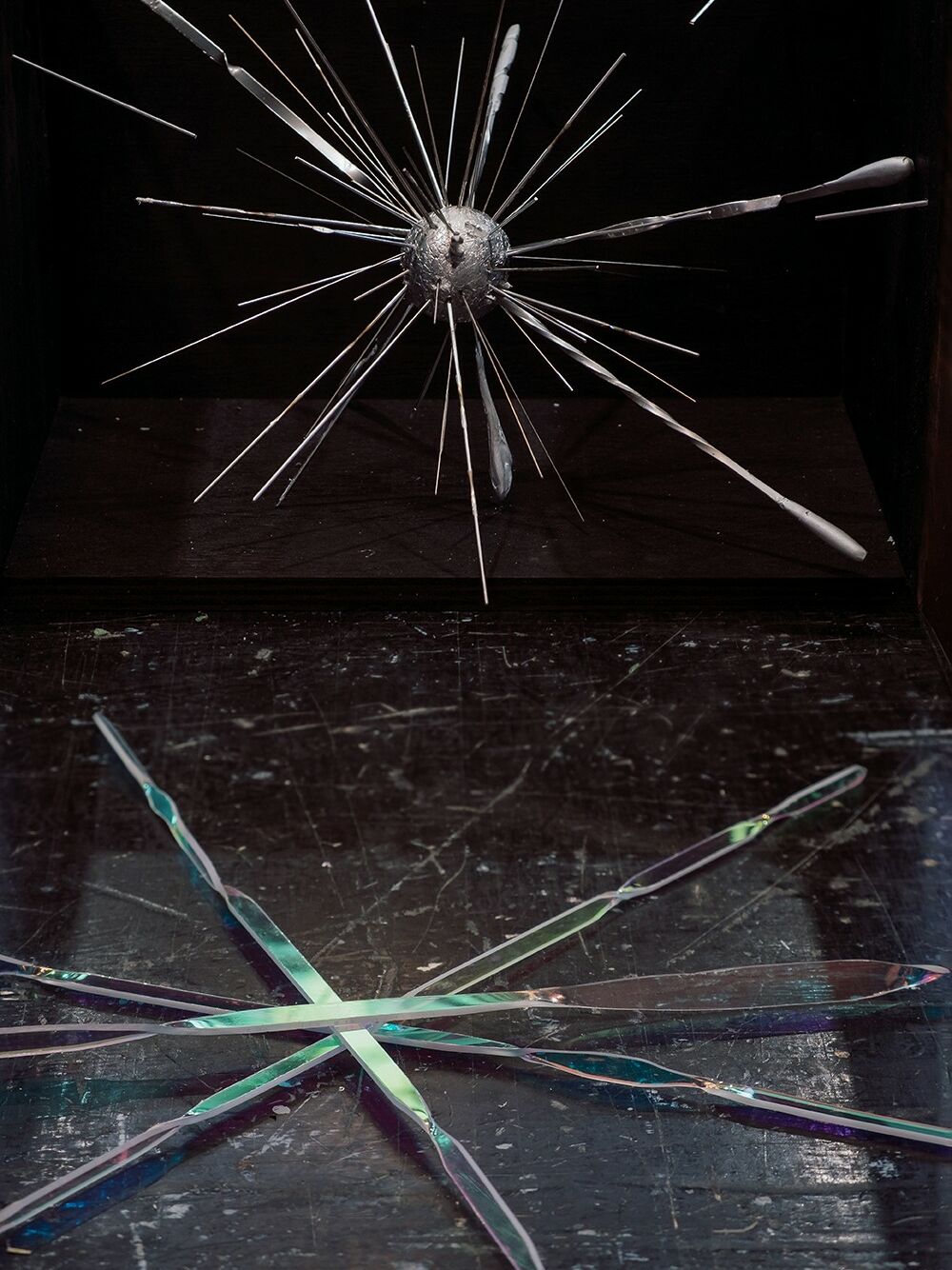
(TB): Developed in partnership with the Tasmanian Symphony Orchestra, Astrogaze is an immersive cinematic and sonic experience centred on Lutruwita/Tasmania’s dark sky sanctuary. How did you approach translating an ephemeral medium like film or photography into a tangible object?
(TG): Astrogaze is an inherently experimental visual and orchestral work, and that openness gives me a powerful sense of freedom as I explore a parallel sculptural language. Its conceptual elasticity moving between cosmos, sound, memory and landscape creates space for forms that are intuitive, fluid and unconstrained by traditional boundaries. In many ways, the project itself becomes the catalyst for this sculptural journey, inviting new ways of thinking, shaping and materialising the ideas emerging from the work.
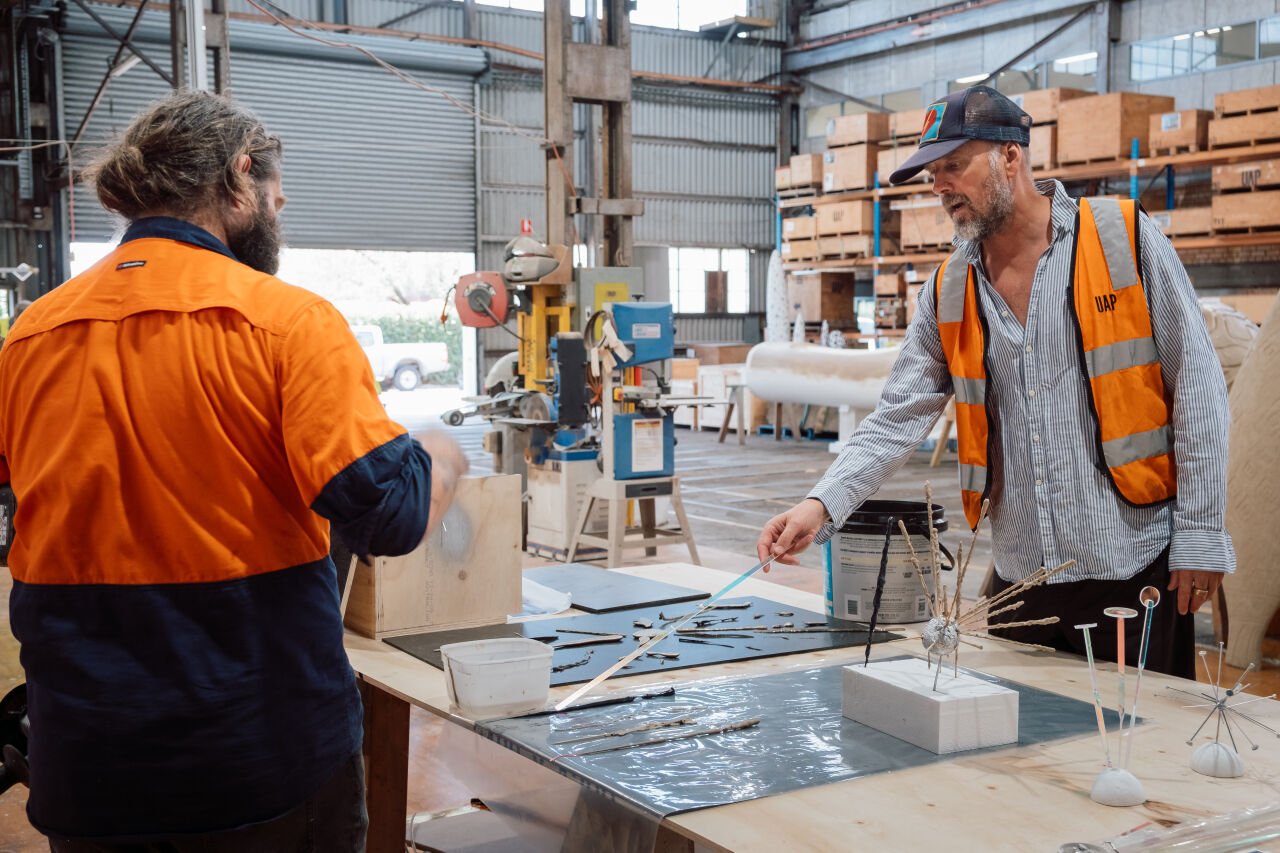
(TB): A large part of your residency was working hands on with UAP’s patternmakers to develop three-dimensional maquettes or small-scale models of your ideas. What did this process involve?
(TG): I loved the organic flow of ideas throughout the residency and the openness of the team toward my vision not just welcoming it, but viewing it as an exciting creative challenge. We literally played with material, shape, and form, experimenting with stainless steel, alloy, bronze, brass, and transparent acrylics. Through that process, I felt the work begin to take on a life of its own. Watching form emerge and evolve from day one to the end of the residency was incredibly energising and affirmed how deeply this process can expand my practice.
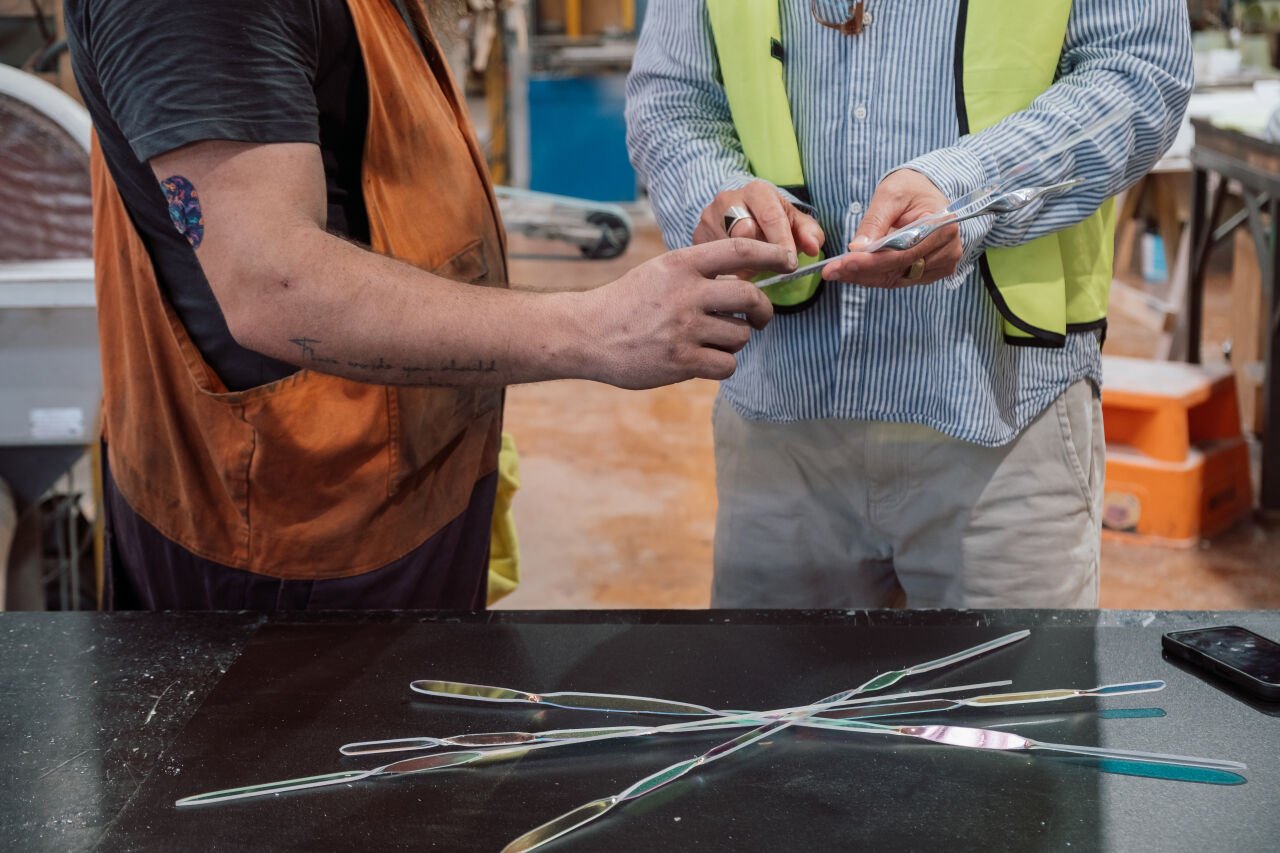
(TB): In translating your ideas, you experimented with different modes of installation including freestanding, wall-mounting and suspending sculptural objects, and with lighting approaches, did this experimentation unlock any new ways of exhibiting your work?
(TG): It gave me fresh, exciting ways to think about how these new visions could be realised and presented.
(TB): Throughout your residency you developed physical and digital material sampling to explore how metals and perspex can emulate the qualities of the cosmos. What did these explorations reveal?
(TG): An exciting journey of exploration.
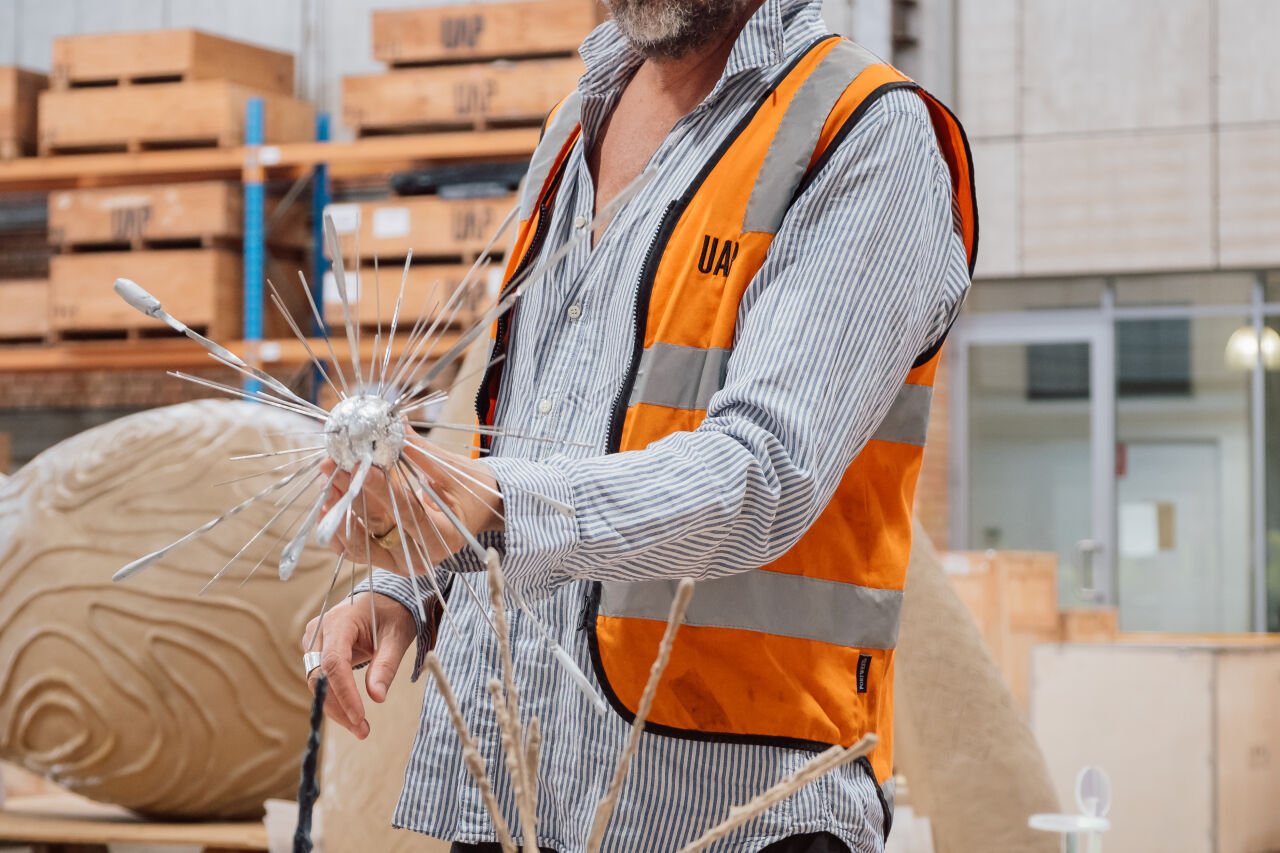
(TB): You finished the residency with a range of material and digital concepts that relate to Astrogaze, can we expect to see some explorations appear in the exhibition?
(TG): Absolutely
(TB): Reflecting on your time at UAP, how do you think this artist residency will inform your artistic practice going forward?
(TG): This experience really opened up new ways for me to integrate cultural sculptural forms into my practice. ASTROGAZE “Memory of Stars” feels like the perfect point of departure for this next evolution in my work
#相关文章
How to De-Risk Specialty Architecture and Facades from Day One
Early-engagement models reduce the cost of complex bespoke facades without compromising design intent.
By Michael Miscamble
Principal | Specialty Architecture at UAP
2022 Public Art Highlights
Contributing curators together with UAP's curatorial team select their best public art for the year