Indigenous Architects, Artists to Lead Redevelopment of Cook’s Landing Place
Alison Page and Nik Lachajczak, in collaboration with UAP, brings to life 'The Eyes of the Land and Sea' at Captain Cook's landing place in Kamay Botany National Park. The monumental artwork symbolises both the ribs of the Endeavour and the bones of a whale (a Gweagal totem).
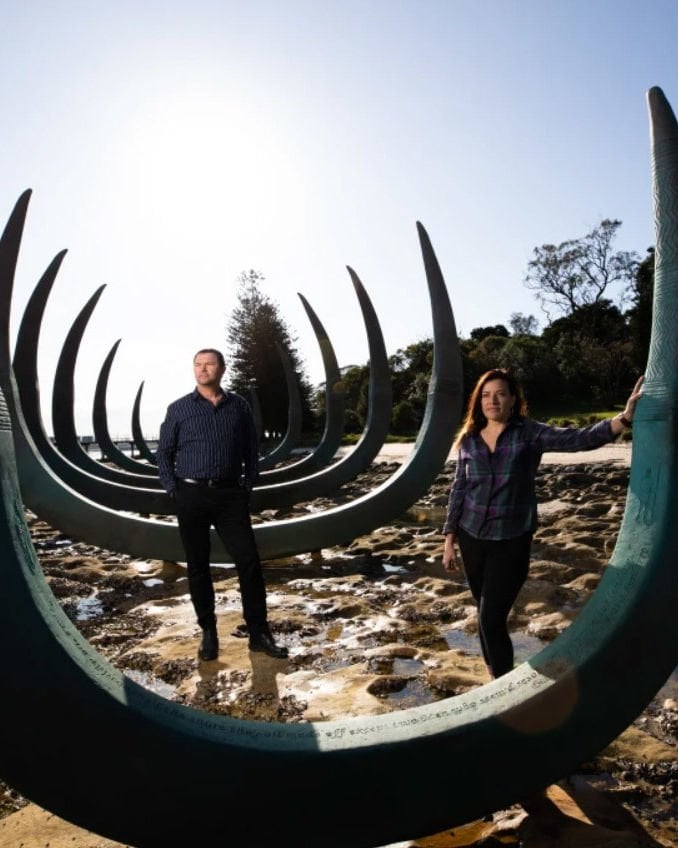
Featured on the front page of The Sydney Morning Herald is Alison Page and Nik Lachajczak’s The Eyes of The Land and The Sea. This large-scale public art installation commemorates the 250th anniversary of the 1770 encounter between Aboriginal Australians and Lt James Cook’s crew of the HMB Endeavour at Kamay Botany Bay National Park, Australia.
The Eyes of The Land and The Sea was recently installed as part of the redevelopment of the site, and tells a story of all Australians discovering their true history as we move together towards a truly reconciled nation. It was an absolute pleasure to collaborate with Alison and Nik on this incredible project.
To read the full article click here.
Further reading
Read full Sydney Morning Herald article
#相关文章
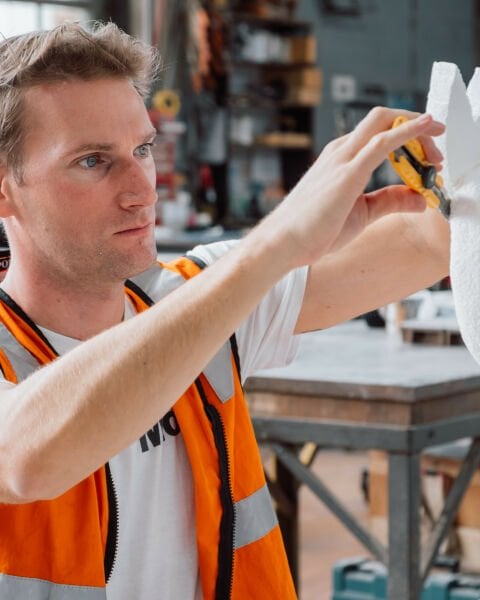
Contemporary Art, Material Exploration and Transformations
A Look at Tom Keukenmeester's Residency at our Brisbane Workshop
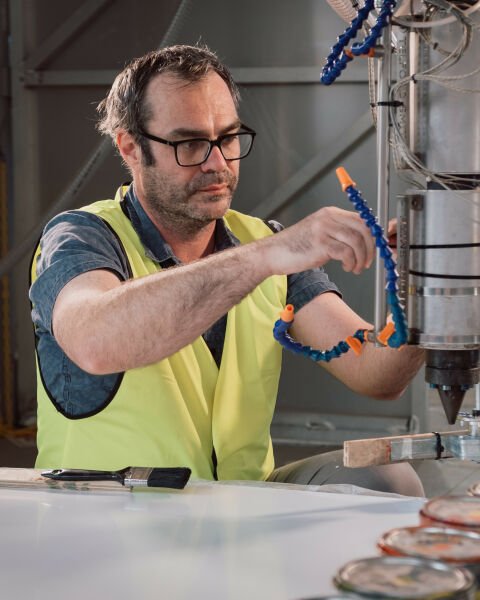
Exploring Art and Technology: A Conversation with Ross Manning
Exploring Art and Technology: A Conversation with Ross Manning
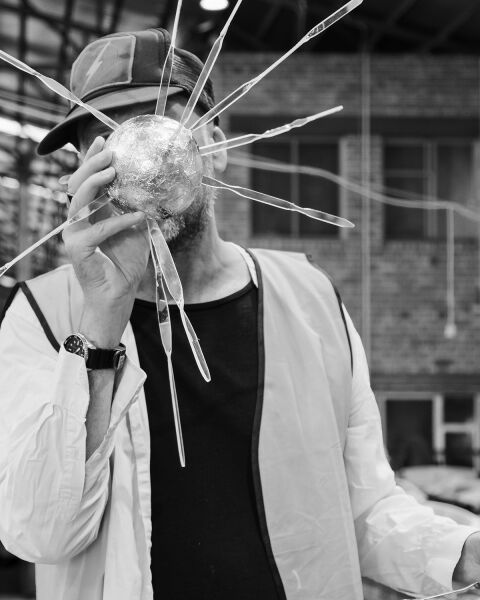
Exploring Creative Journeys: Tim Georgeson's Artist Residency
Q&A With Tim Georgeson
By: Tess Bakharia