Navigating Cultural Heritage with Shireen Taweel's Artist Residency
Interview by Leyla Oz, Lead Designer, UAP
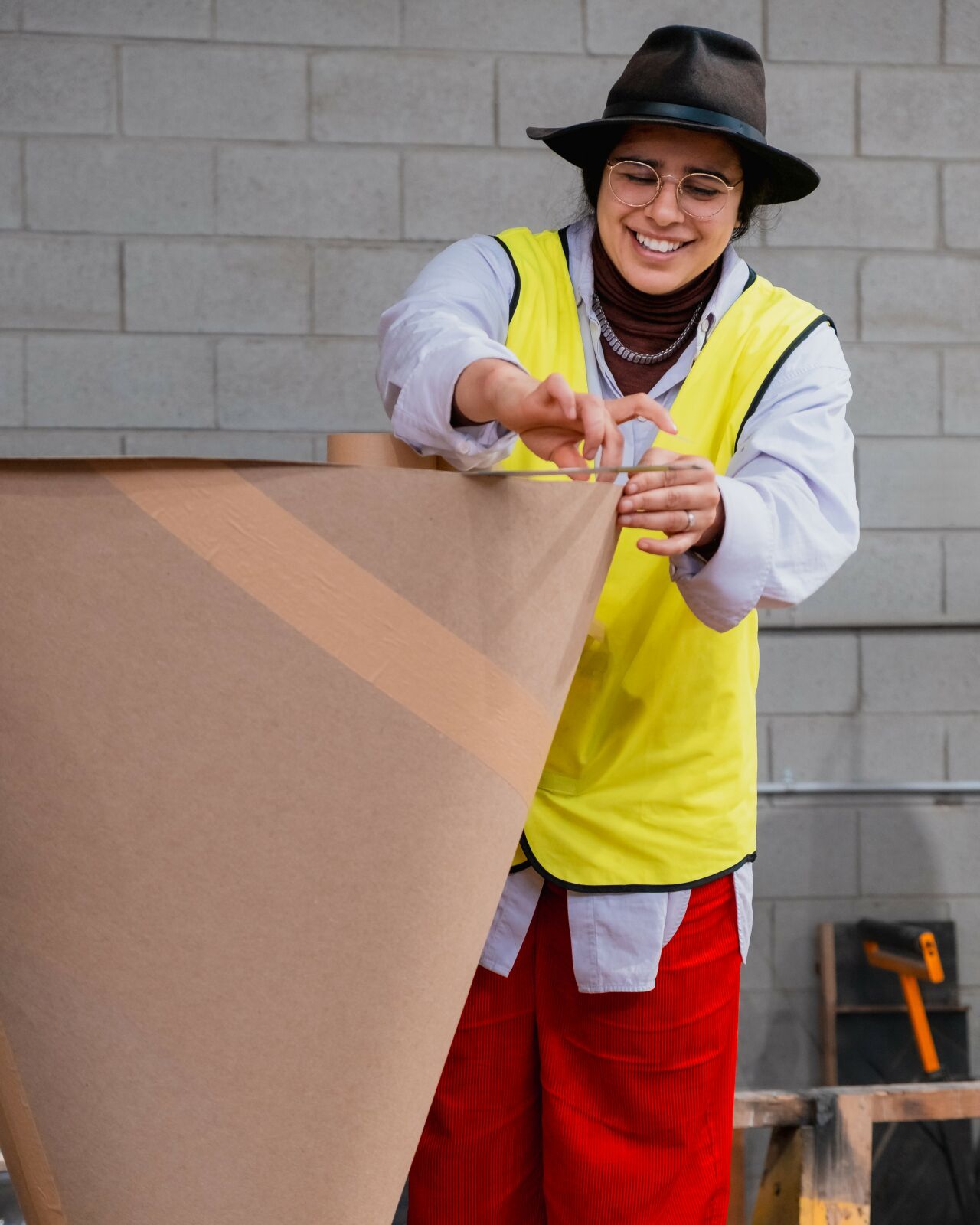
Shireen Taweel's artistic practice weaves together Islamic cultural practices, materiality, and sensory experiences, aiming to foster generative interactions with audiences. As her art moves into public spaces, Taweel emphasises the significance of language as a means to reclaim histories and challenge colonising narratives, drawing inspiration from traditional copper craftsmanship and learning about patina during her residency at our Brisbane foundry.
Leyla Oz (LO): Your work often engages with Islamic cultural practices and notions of the sacred through material processes which are tangible and easily accessible. How do you hope audiences from both within and outside these cultural contexts will respond to your work?
Shireen Taweel (ST): The concepts although rigorously researched and culturally centred are often presented sensorially. When looking at ritual ecology or cosmology for example, I am interested in embodied relationships. My work is often multidisciplinary involving copper, scent, sound, fabric, location and suspension, aiming to evoke tangible physical sensations to connect the audience to the concept. I hope the interaction is a generative one.
(LO): Your recent work Hajjanaut speaks to the diasporic experience of migration and pilgrimage. Who is the Hajjanaut - is it you, women in your family, or a broader figure of representation?
(ST): The Hajjanaut project is an installation consisting of performative documentary film, print and navigational objects. The film is documentation of myself navigating a Hajj pilgrimage route from Dunedin Aotearoa, and concluding on Karajarri country in Western Australia, as a Muslim woman of diaspora. The film is also a speculative documentary of a Hajjanaut; a Muslim woman performing the hajj (Hajja), pilgrimage off Earth. Both myself and the Hajjanaut celestially navigate our routes using heritage knowledges and navigational instruments of Arab astronomy as a way of embedding cultural heritage in a work of speculative fiction. I produced a qibla, quadrant and astrolabe to navigate the route. The pilgrimage route is recorded on a set of prints which chart the Major constellations and navigational stars.
(LO): Language plays a significant role in your practice, from Arabic inscriptions in astrolabe forms, to the layered text seen and heard in Switching Codes. What does language allow you to articulate or open up in your work?
(ST): Language in my work is employed as a tool for speculative futuring, to re narrate and reclaim histories. I explore the fluidity of language and its relativity to place and time, and the possibilities of collaborative syntax as a socially engaged movement to shift colonising narratives and projects of power.
(LO): Your practice is deeply focused on the transformation of copper using handmade processes. What first drew you to copper?
(ST): I was initially drawn to copper as a material through printmaking, engaging with different applications of imagery to copper through acid etching. I have always thought about the handmade and how I can apply process and material to investigate concepts and thinking about elements of transformation and form.
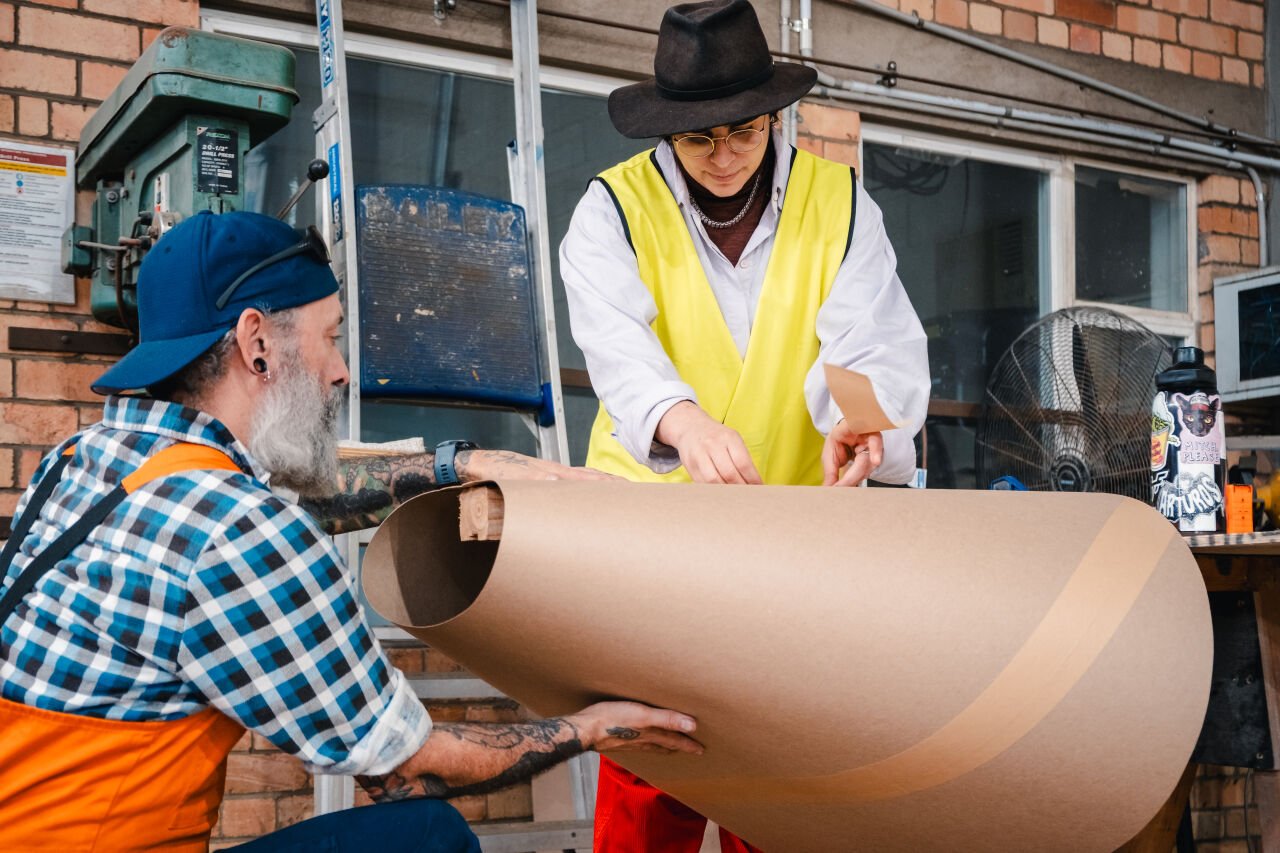
(LO): You've worked with artisans in Gaziantep, Turkey and have spent time hand-piercing, carving, and welding copper in very traditional ways. How do you see these methods connecting to, or contrasting with, your recent residency experience?
(ST): I can see similarities in the workshops, the level of experience and skills held by the technicians working with different materials and processes, and the professionalism. Although in the Gaziantep studios the richness of cultural heritage is very prevalent. The bizarre bustles on the doorstep, you are in the heart of an artisan ecology which has been ongoing over centuries. The studio is engaged in the social and political fabric of the city, apparent in the sensual embodiment of the experience, the smell of the copper, the warm taste of mint when a tray of tea is brought around, the constant rhythm of steel hammers connecting with engraving tools, and local music played throughout the souk.
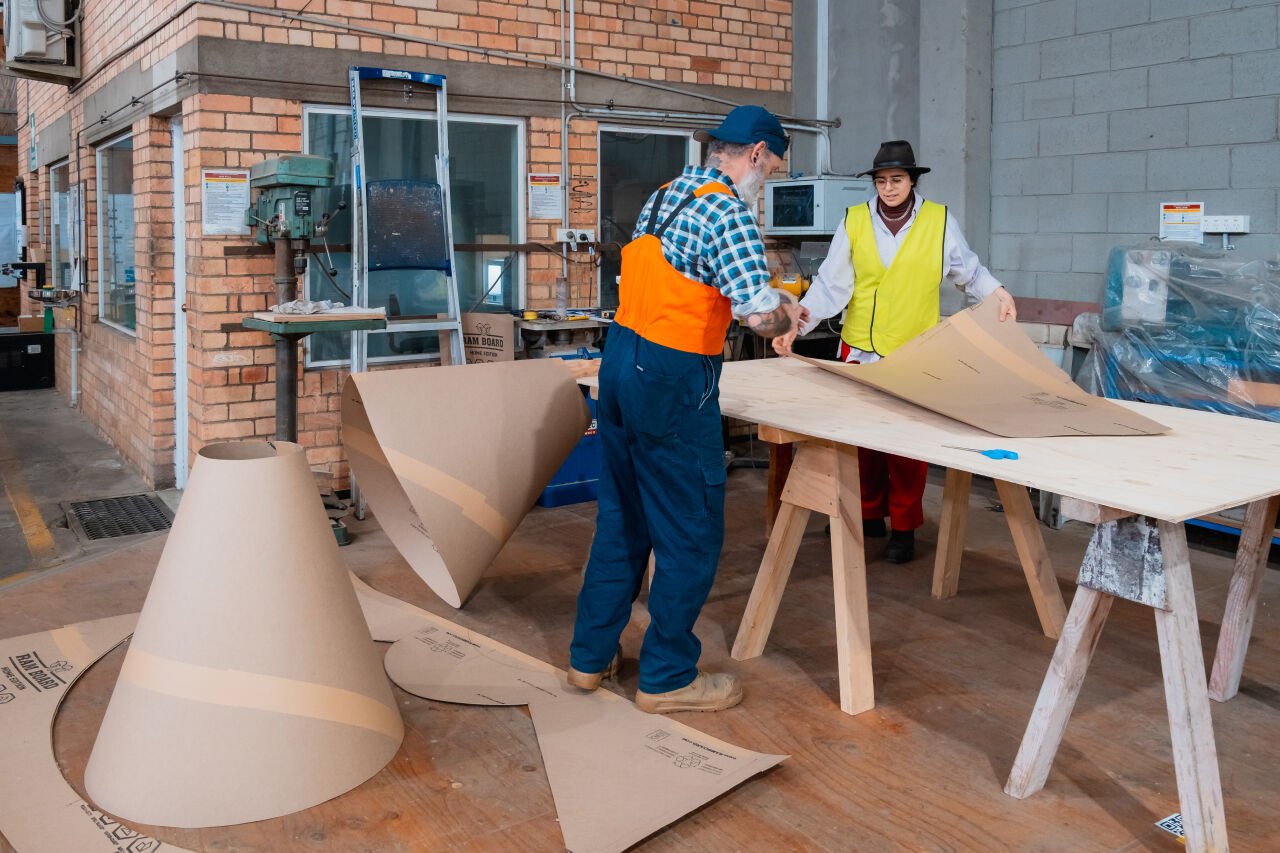
(LO): Circular geometry, in particular repetitive, symmetrical and floral forms rooted in Islamic art, recurs throughout your practice. Do you see a relationship between these precise, traditional geometries and the cosmos? Did the mathematical process of working with circular geometries relate to the digital modelling you explored during the residency?
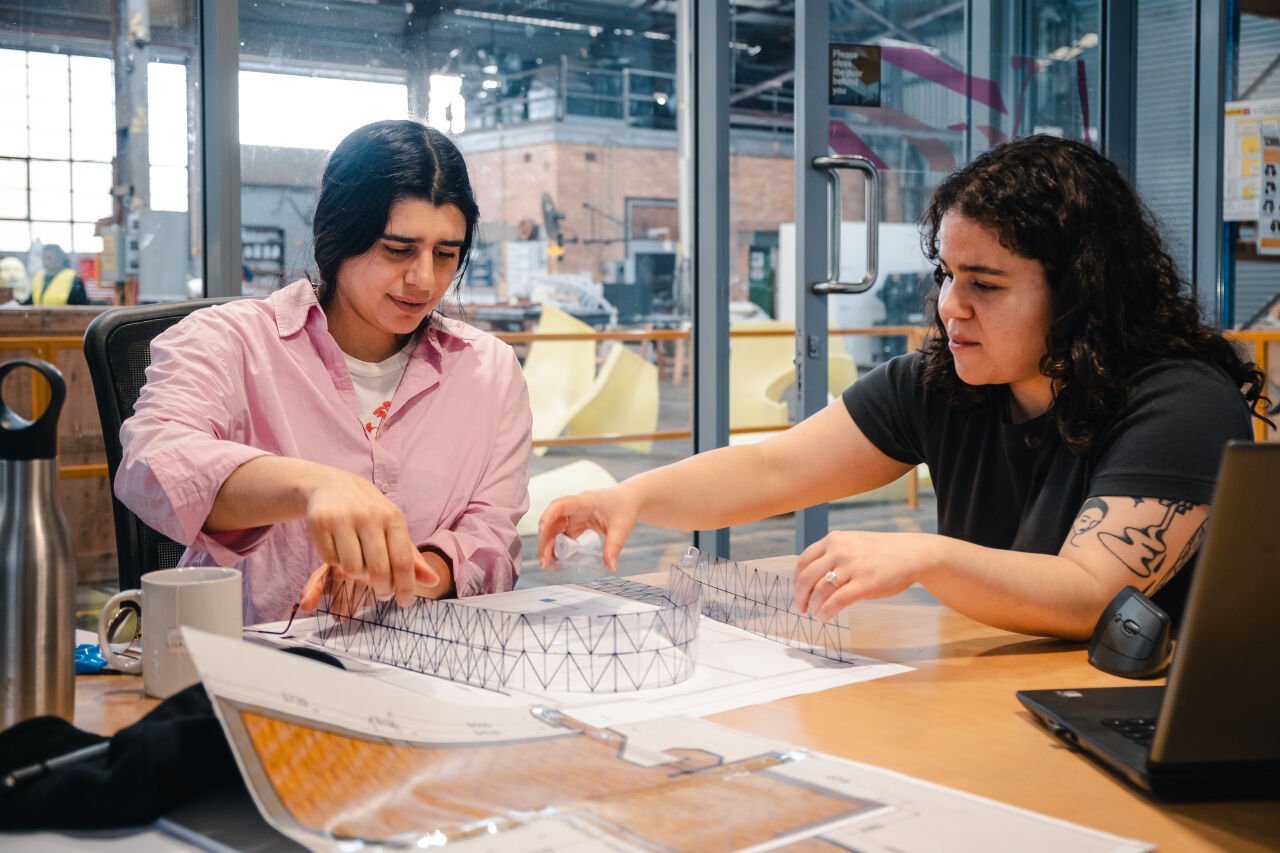
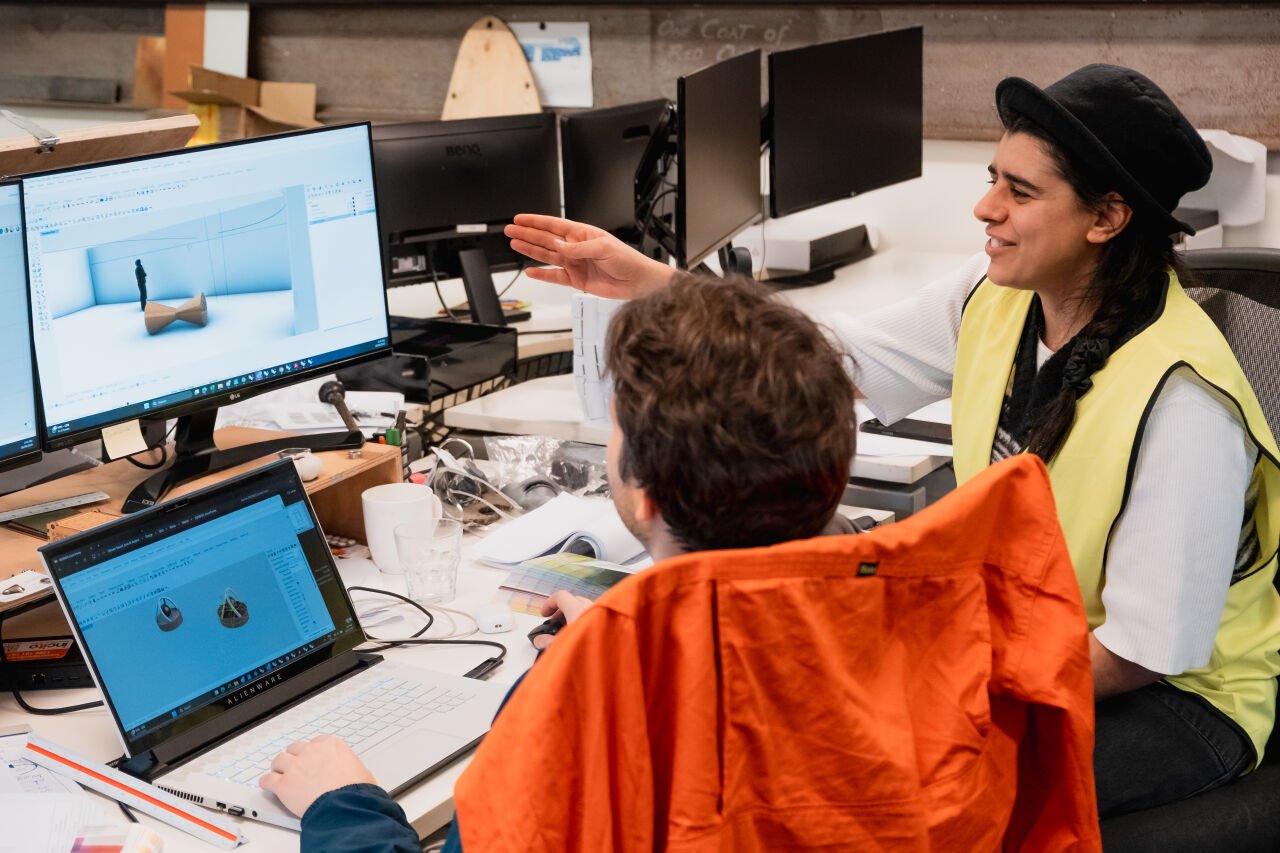
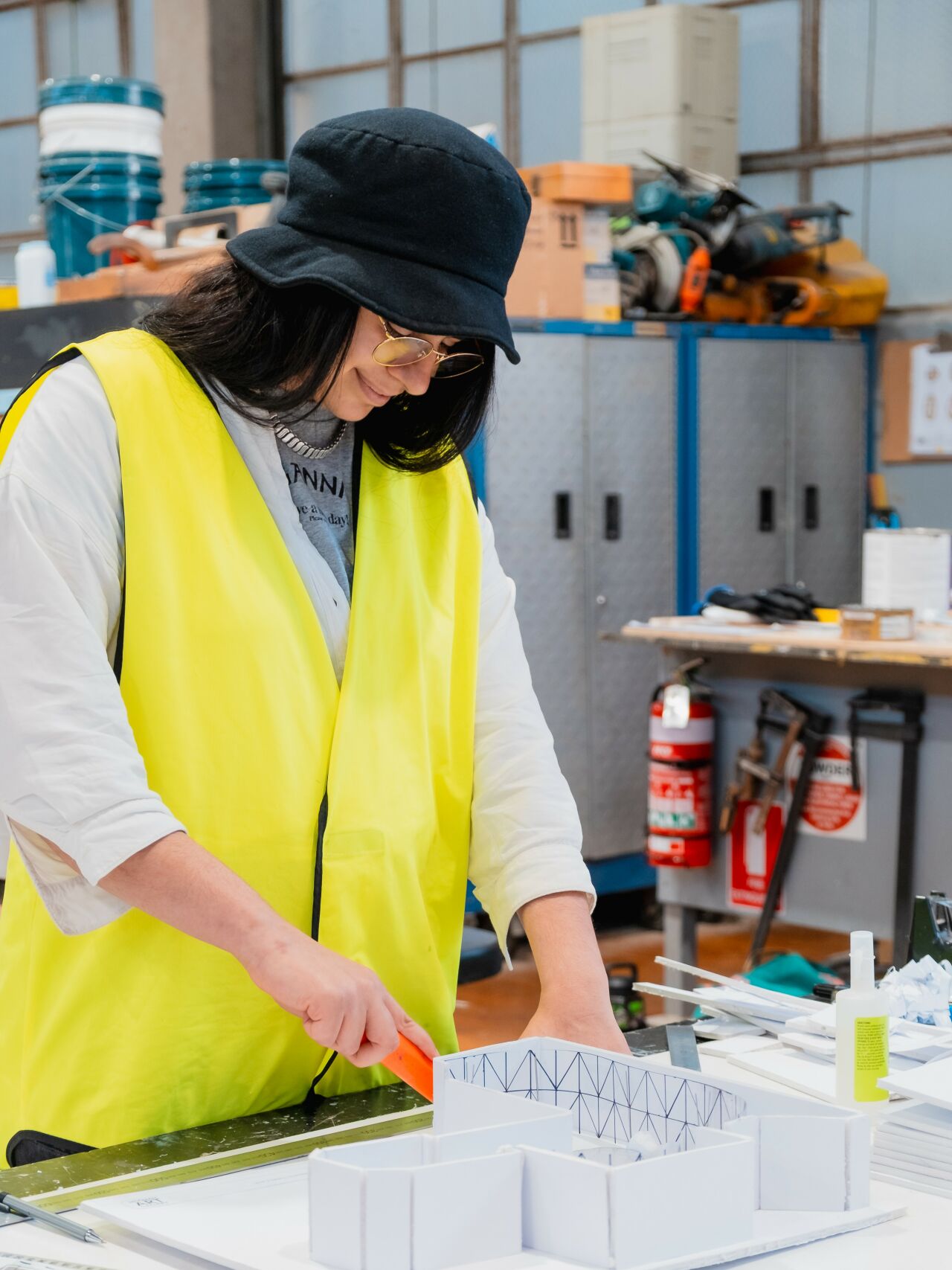
(ST): Geometry is deeply rooted in Islamic cosmology. For myself geometry is a primary form of expression bringing together notions of mathematics, science, astronomy and the sacred. The digital modelling I was doing on residency was more about resolving the installation layout. There is a structure in the installation which sits behind draped silk, and it was calculated mathematically, however, the simple geometry I am using in the design of the structure is not a circular geometric form.
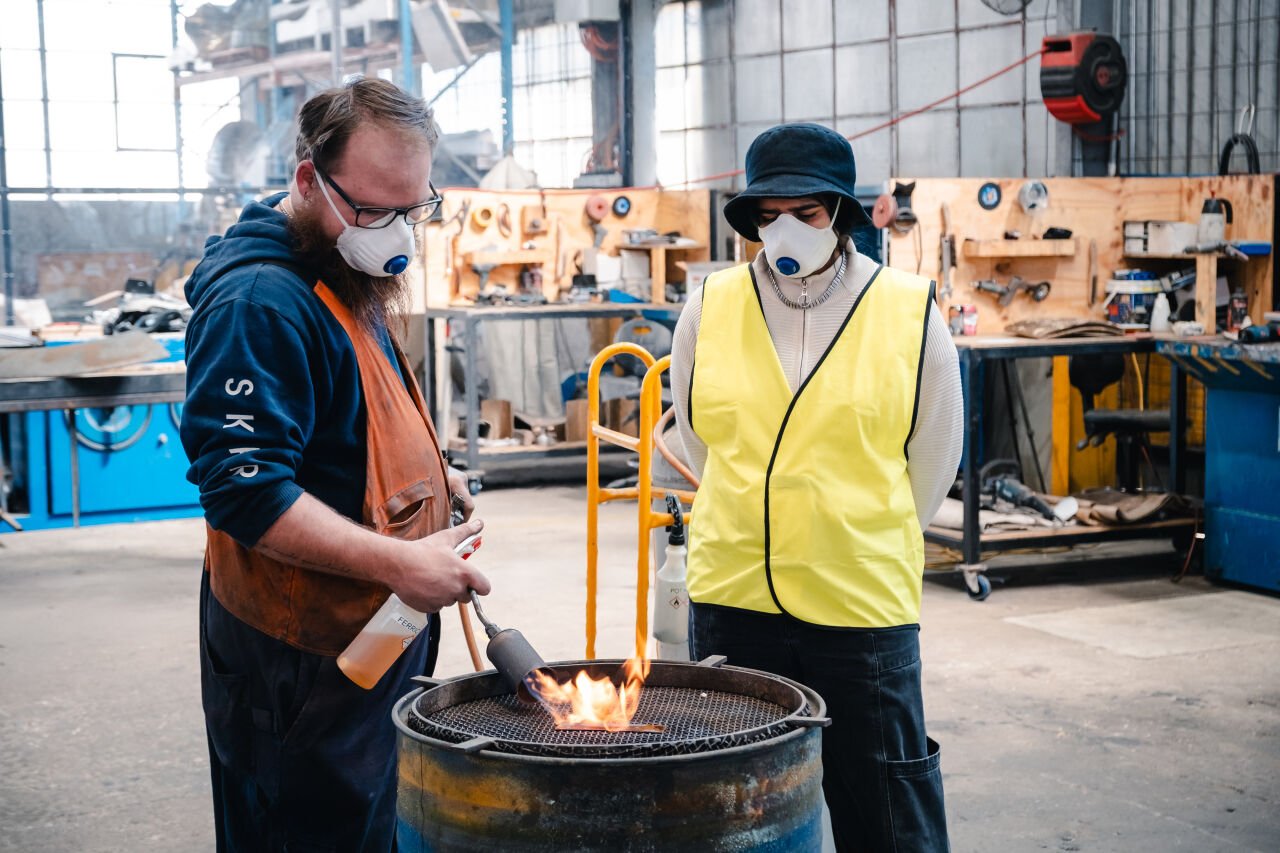
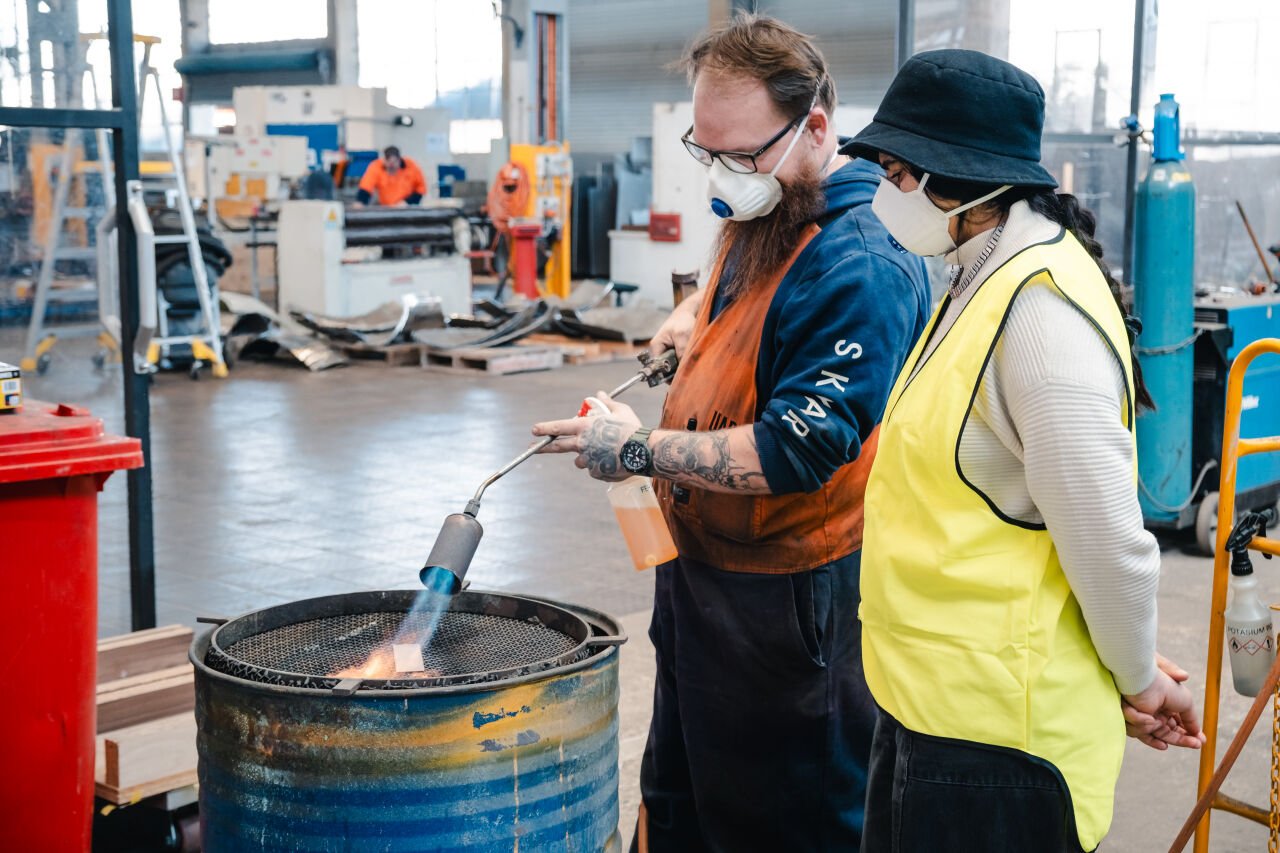
(LO): During the residency, you explored patina processes, where subtle chemical changes create a wide range of colour and texture variations. What did you discover during this experimentation, and how might it influence your future work?
(ST): The residency provided more of an insight into the variation of textures and colour I could achieve by applying heat to different patina chemicals. The knowledge I gained will be invaluable for future works, not in respect to directing concept or form, more as another tool with which to enhance the aesthetic outcome of the work.
(LO): Your practice is now beginning to move into the realm of public art. How do you see your approach to copper and hand-making translate into large-scale public contexts.
(ST): When I approach new work, it initially involves in depth research of the concept, which informs the mediums and processes for the final realisation of the art work. Copper is a core material in my studio practice, however due to my work being research and concept driven, I look for mediums and materials which complement each other and convey the concept most succinctly. I am excited about future prospects in public art as each new opportunity which arises, opens up possibilities for the introduction of mediums and processes. Seeing my ideas and creativity manifest as public art is a wonderful extension of my studio practice.
#相关文章
Artist Interview with Jon Campbell
With a creative practice that explores language and pop culture through paintings, drawings, light works, installations, and musical performances, Melbourne-based artist Jon Campbell’s 2021 public art installation Backyard represents a stylised pop version of his childhood backyard in the western suburbs of Melbourne.
Meet the Contributing Curators for Public Art Highlights 2024
UAP, in partnership with Artsy, is excited to announce the distinguished curators who will contribute to this year’s Best in Public Art.
Exploring Art and Technology: A Conversation with Ross Manning
Exploring Art and Technology: A Conversation with Ross Manning