Curating Public Art & Making Meaning
A guest lecture by Benjamin Clay at the University of Sydney
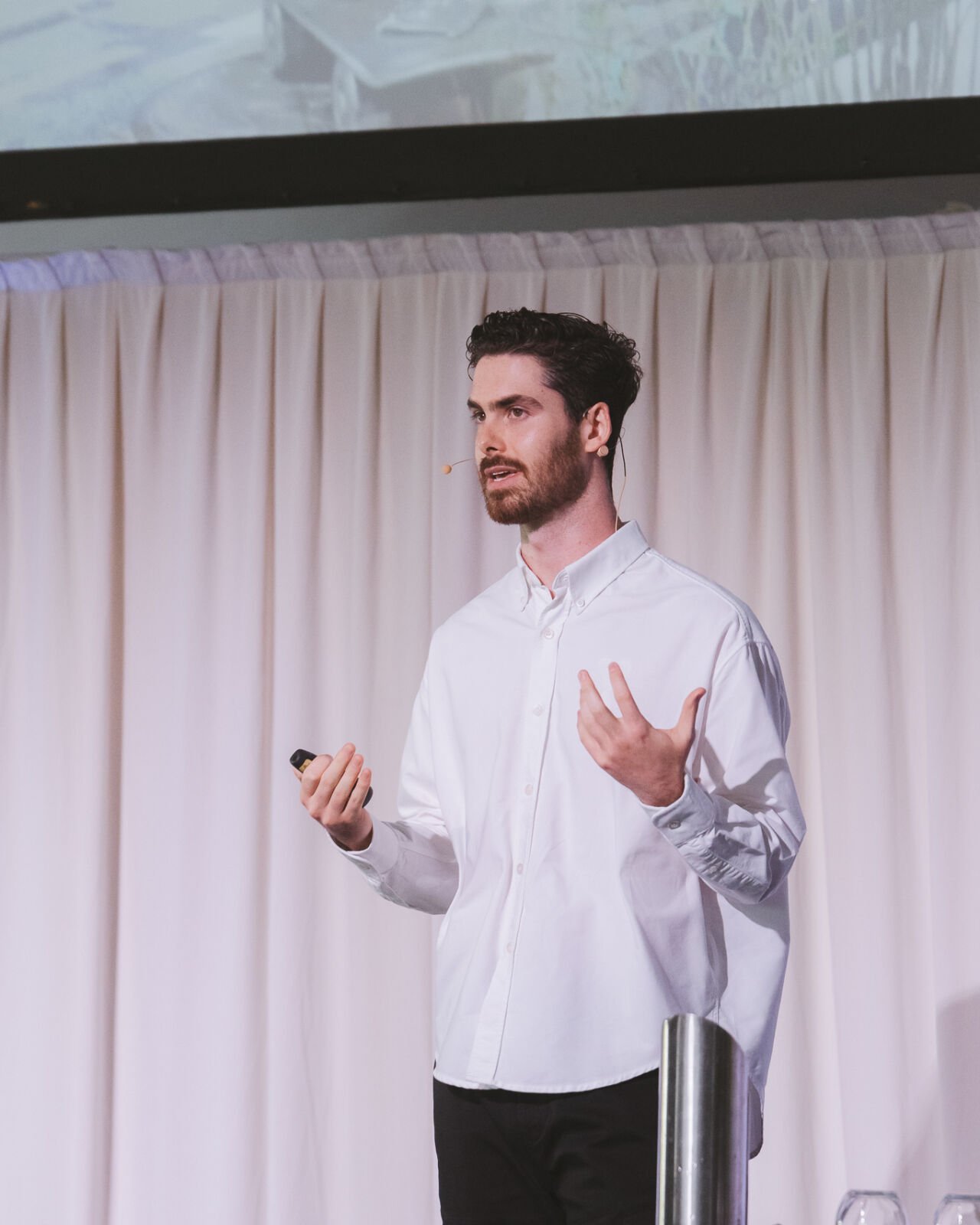
Our team member Benjamin Clay gave a guest lecture at the University of Sydney to masters students taking the course Contemporary Approaches to Curating. He discussed two UAP case studies, both delivered on the University's campus, and used these examples to outline local pathways to commissioning artwork.
Curating public art is a dynamic process that not only adds aesthetic value to urban environments but also drives community engagement and cultural understanding. As a sector, public art has evolved considerably in recent decades, ever increasing in the rigour with which projects are procured, curated, designed, built, and discussed. This transformation represents a recognition of the vital relationship between communities and the landscapes they inhabit, where art serves as an avenue for connection, reflection, and storytelling.
The implementation of Percent for Art schemes, such as the one introduced by the City of Sydney, exemplifies the commitment to integrate creative practitioners into urban planning and community development. These initiatives foster environments that resonate with local identity and cultural heritage. Public art not only captures the spirit of its site but also enhances the safety, cleanliness, and economic viability of a place, making it an essential component of vibrant communities.
Ben used case studies such as Robert Andrew's 'Garabara' and Judy Watson's 'jugama' to further illustrate the transformative potential of public art. These examples demonstrate how public art can encourage ongoing engagement with both the histories and contemporary practices of First Nations communities, allowing for a deeper engagement with ancient lands and waters. Andrew's work is rooted in the rich history of the University site, inviting visitors to acknowledge the traditional knowledges that have thrived there for millennia. By intertwining multiple narratives, he creates a space for mindfulness and reflection, bridging past and present.
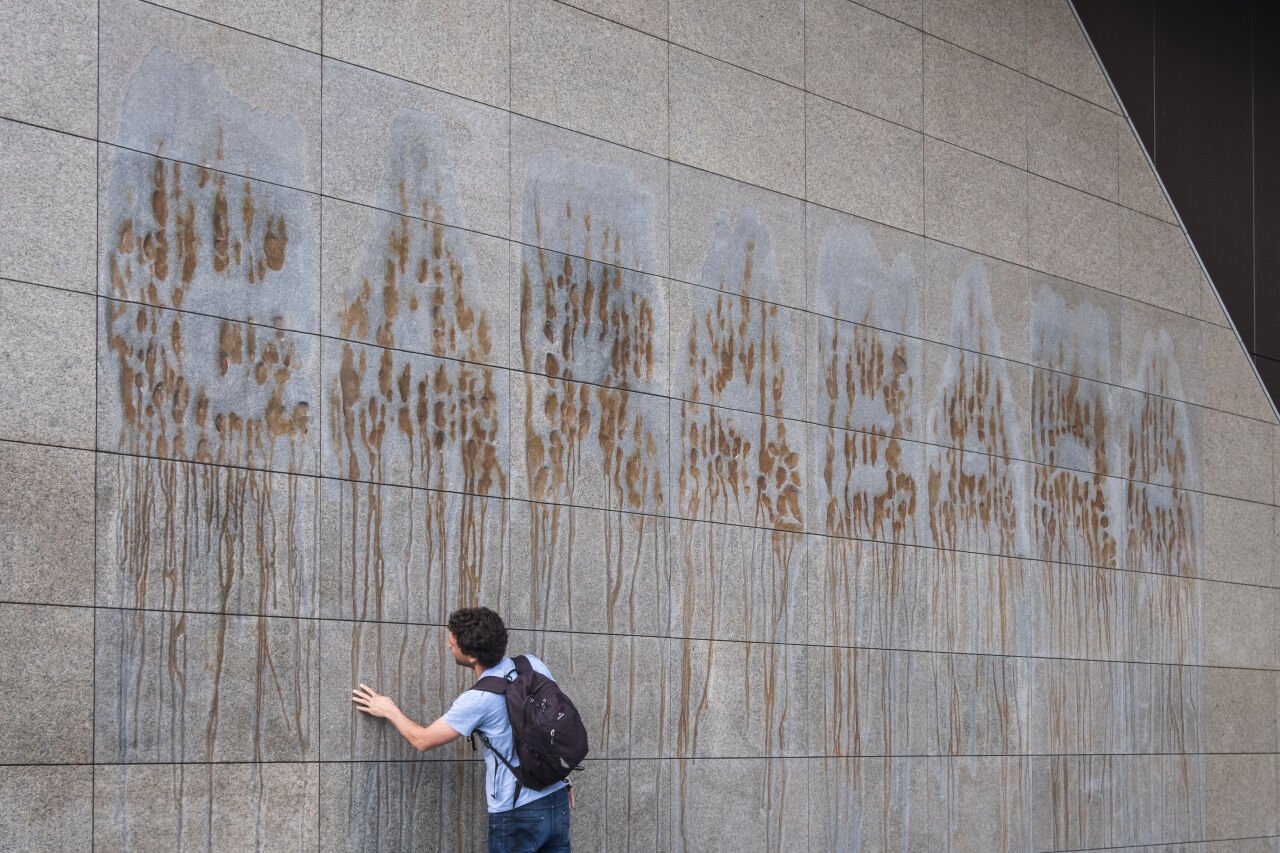
Garabara by Robert Andrew
Similarly, Watson’s 'jugama' stands as a testament to the enduring connection between art, environment, and community. The work sits within a thriving garden of native planting used for healing and weaving, itself a formal representation of a traditional string or net bag. These projects reflect a broader approach: one where commissioning is not just about placing an artwork, but about understanding the conditions that give it meaning.
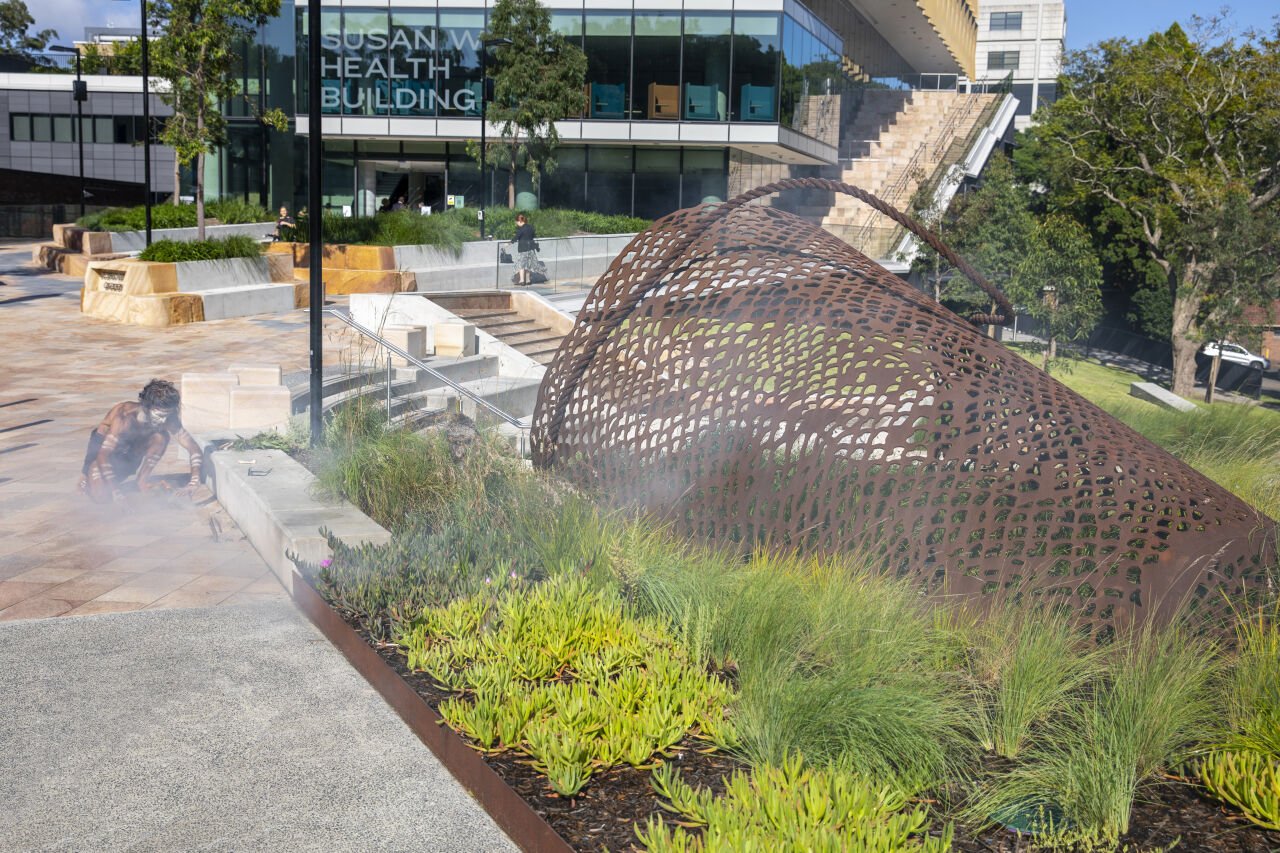
jugama by Judy Watson
Ultimately, Ben tells us that curating public art is not just about placing creative outcomes in public spaces; it is about fostering connections that resonate with the community, celebrating cultural narratives, and conjuring opportunities for meaningful interaction. By embracing the stories embedded within our public spaces, we can cultivate a deeper appreciation for the places we inhabit while inspiring future generations to continue these creative conversations.
#Related Articles
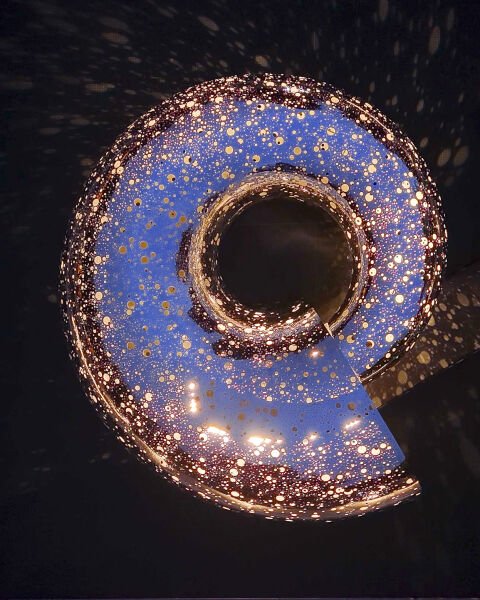
Photographic Journey of Ouroboros
Lindy Lee’s 13-tonne sculpture, Ouroboros, is in place after three years of anticipation.
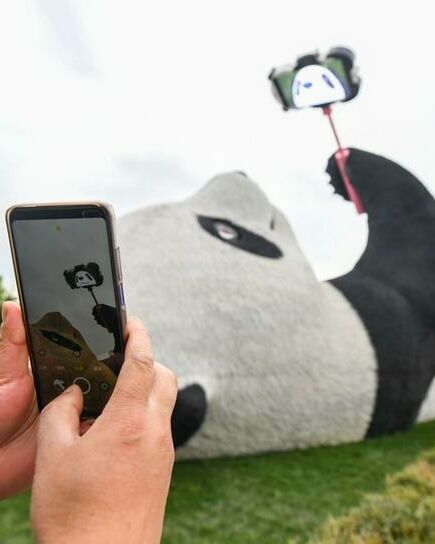
Selfie Panda Goes Viral
Panda-mania materialized! A "Selfie Panda" sculpture by Dutch artist Florentijn Hofman debuted recently in the city of Dujiangyan in southwest China's Sichuan province, and may well become the new mecca for selfie and panda lovers alike.
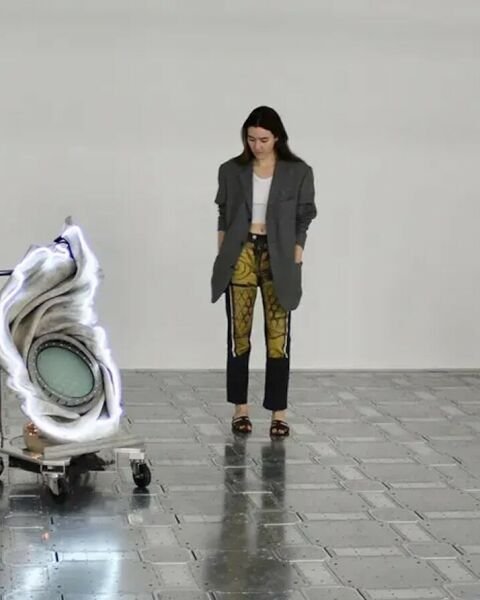
Elaine Cameron-Weir Is WORTHLESSSTUDIOS’ WARP Residency Inaugural Honoree
Neil Hamamoto, founder of WORTHLESSSTUDIOS, reflects on how the organization’s residencies have evolved, why UAP emerged as the right partner at this moment, and how Cameron-Weir embodies the program’s ethos.
By the Surface Editors